
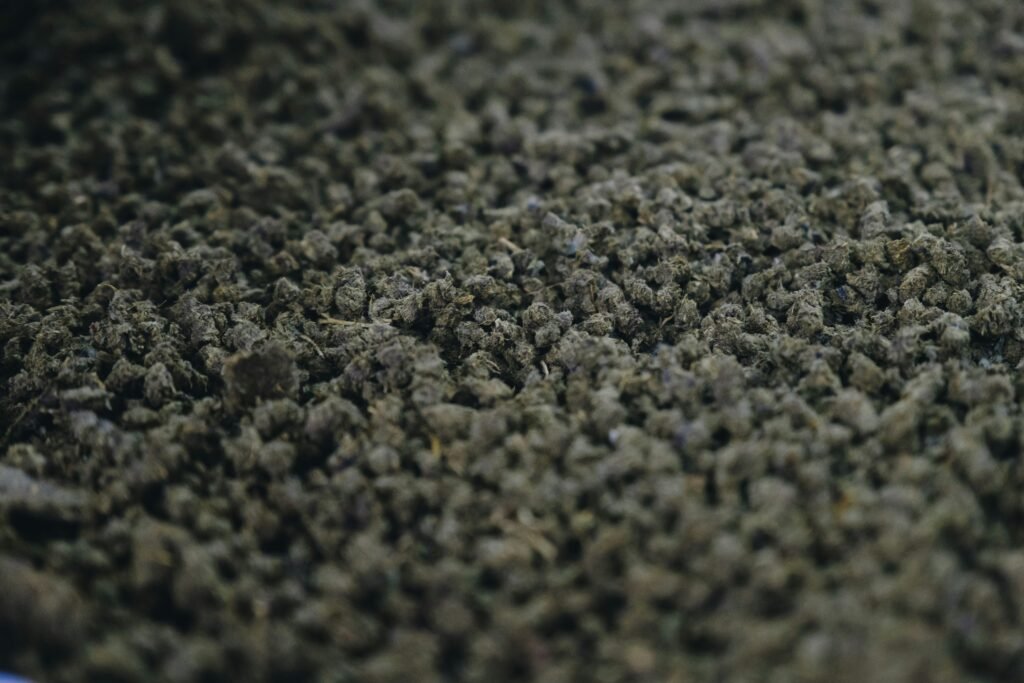
Traditional clay litters are creating dusty clouds in your home and guilt about landfill waste. You’ve heard about tofu cat litter as an eco-friendly alternative that clumps well and controls odor naturally, but finding reliable information feels impossible when most reviews focus on clay-based options. The challenge isn’t just finding the best tofu cat litter 2026 — it’s finding one that actually works for your cat’s habits and your cleaning routine. We’ve researched plant-based litter options available this year, looking at clumping ability, dust levels, and real-world performance to help you make the switch to sustainable cat care without sacrificing effectiveness.
What Makes Tofu Cat Litter Different
Tofu cat litter is made from compressed soybean pulp, a byproduct of tofu manufacturing that would otherwise be discarded. Unlike clay litters that require strip mining, this plant-based alternative uses agricultural waste to create biodegradable granules that clump when wet and naturally control odor. The soy fibers absorb moisture quickly while forming solid clumps that won’t crumble during scooping, making daily maintenance easier than many owners expect. Most tofu litters are also flushable in small amounts and create significantly less dust than clay alternatives, addressing two major pain points for cat owners with respiratory sensitivities or septic systems.
Our Top Pick for Best Tofu Cat Litter 2026
pidan tofu Cat Litter — Best Overall Performance
After evaluating available tofu litter options for 2026, the Pidan Tofu Cat Litter stands out as our primary recommendation for cat owners making the switch to plant-based litter. This soy-based formula delivers the clumping performance and odor control that makes daily litter box maintenance manageable while offering the environmental benefits that draw many owners to tofu alternatives.
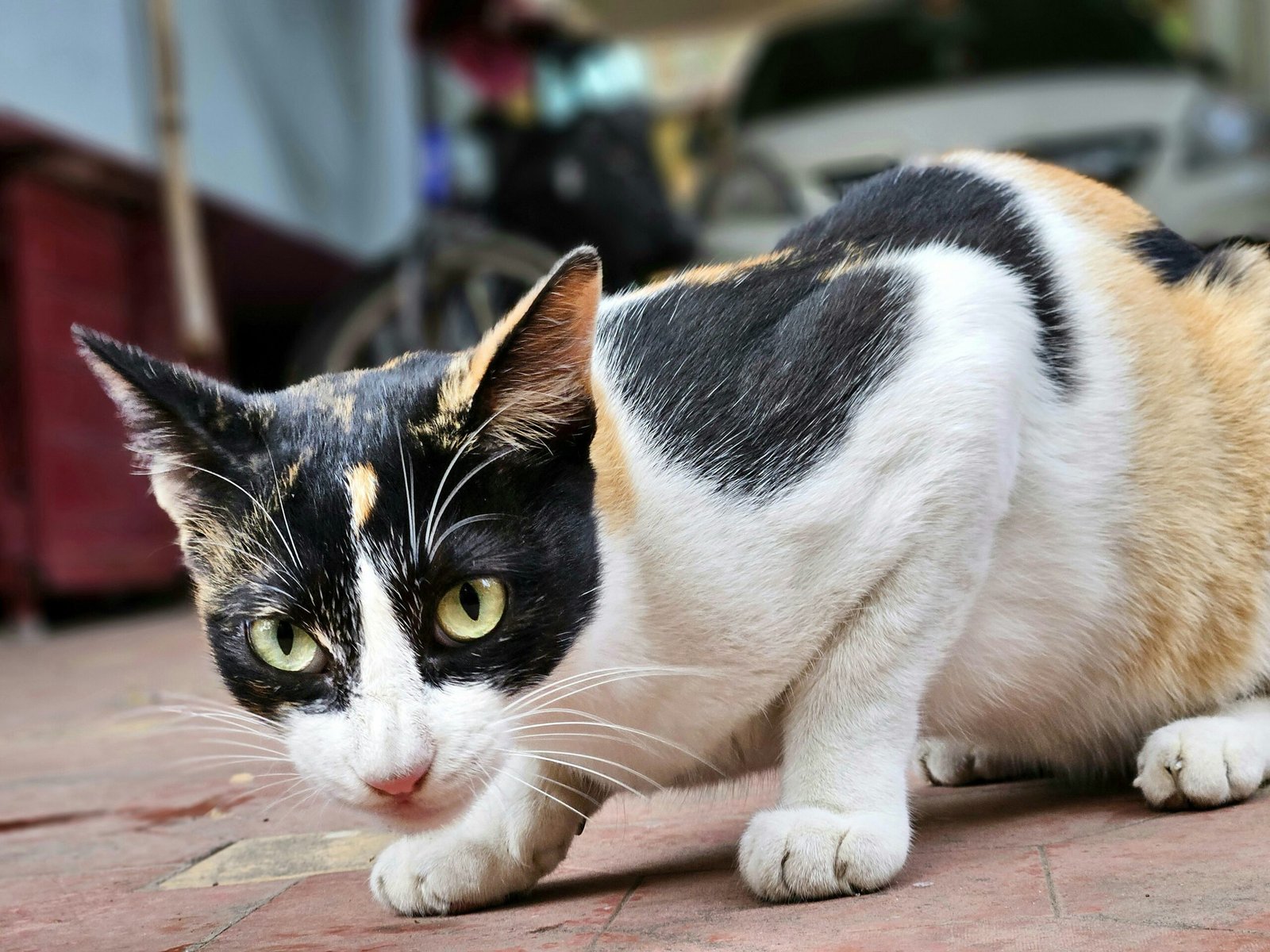

The Pidan formula uses compressed soybean fibers that form tight, scoopable clumps without the dust clouds that plague many clay litters. This makes it particularly appealing for households with cats or humans who have respiratory sensitivities. The natural soy composition also means you’re not dealing with the chemical fragrances found in many conventional litters — the odor control comes from the plant fibers’ natural absorption properties.
What sets this option apart is the balance between eco-friendliness and practical performance. Many plant-based litters struggle with either clumping strength or tracking, but user reports suggest the Pidan formula maintains its shape during scooping while staying put in the litter box rather than spreading throughout your home on your cat’s paws.
The transition to tofu litter often works best when you gradually mix it with your current litter over 7-10 days, letting your cat adjust to the different texture and scent.
The Pidan Tofu Cat Litter represents a higher upfront cost than basic clay litters, but the concentrated formula typically lasts longer per pound than lighter alternatives. The biodegradable nature also means you’re not contributing to the millions of tons of clay litter that end up in landfills annually in the United States.
Understanding Tofu Litter Limitations
While tofu cat litter offers compelling environmental and health benefits, it’s important to set realistic expectations about where plant-based options may fall short of traditional clay litters. The most common adjustment period involves odor control — soy-based litters rely on natural absorption rather than chemical masking, which means you may notice different scents during the first few weeks of use.
Texture sensitivity can also be an issue for some cats. The softer, more granular feel of compressed soy fibers differs significantly from the familiar grit of clay litter. Cats with strong texture preferences may initially reject the new substrate, requiring a gradual transition period that some owners find frustrating when they’re eager to make the switch immediately.
Cost remains another practical consideration. Quality tofu litters typically cost 2-3 times more per pound than basic clay alternatives, though the superior absorption often means you use less product per cleaning. For multi-cat households or owners on tight budgets, this price difference can make tofu litter feel like a luxury rather than a practical choice.
Availability can also be challenging outside major metropolitan areas. While clay litter is available at virtually every grocery store and pet shop, tofu litters often require ordering online or visiting specialty pet retailers, making last-minute purchases difficult when you run out unexpectedly.
Tofu Litter Buying Guide
When evaluating tofu cat litters, focus on four key performance factors that separate quality products from disappointing alternatives. Clumping strength tops the list — look for litters that form solid, cohesive clumps that won’t break apart during scooping. Poor clumping leads to wet spots that become odor sources and make complete waste removal nearly impossible.
Dust production varies significantly between brands and manufacturing processes. High-quality tofu litters should produce minimal dust when poured or disturbed, protecting both your cat’s respiratory system and your home’s air quality. If you notice clouds of particles when filling the litter box, consider switching to a different formula or brand.
Absorption capacity directly impacts both odor control and cost-effectiveness. Superior soy-based litters can absorb several times their weight in liquid while maintaining clumping integrity. This translates to less frequent complete litter changes and better control of ammonia odors between cleanings.
Tracking resistance helps maintain cleaner floors around the litter box area. Look for granules that are sized and shaped to stay in the box rather than sticking to your cat’s paws. Some tofu litters include slightly larger pellets specifically designed to reduce tracking, though this can affect texture acceptance for picky cats.
- Ingredient transparency: Choose brands that clearly list soybean content and processing methods
- Packaging size options: Start with smaller bags to test acceptance before committing to bulk purchases
- Scented vs. unscented: Natural tofu litters work best without added fragrances that can irritate sensitive cats
- Flushability claims: Verify local plumbing and septic system compatibility before disposing via toilet
- Multi-cat formulations: Some brands offer enhanced absorption for households with multiple cats
Making the Switch to Tofu Litter
The transition from clay to tofu litter requires patience and a gradual approach that respects your cat’s preferences while introducing the benefits of plant-based alternatives. Start by mixing 25% tofu litter with 75% of your current litter, maintaining this ratio for 3-4 days while observing your cat’s acceptance and litter box habits.
Increase the tofu portion to 50% for the next 3-4 days, then move to 75% tofu with 25% clay for another few days before completing the transition. This gradual approach helps cats adjust to the different texture, scent, and clumping behavior without triggering litter box avoidance that can create bigger problems.
Monitor your cat’s elimination habits closely during the transition period. Some cats may initially dig less vigorously in tofu litter, leading to surface deposits rather than proper burying behavior. This usually resolves as cats adapt to the softer texture, but it may require temporary adjustments to cleaning frequency.
Consider timing the switch during a period when you’ll be home more often to observe and respond to any issues. Avoid transitioning during stressful periods like moving, introducing new pets, or significant household changes that might already disrupt your cat’s routine and make litter changes more challenging.
Keep a backup supply of your previous litter during the first few weeks in case you need to temporarily revert if acceptance problems arise. Active indoor cats who use their litter box frequently often adapt more quickly than sedentary cats who may be more particular about substrate changes.
Frequently Asked Questions
Is tofu cat litter safe if cats eat it?
Yes, tofu cat litter is generally safe if ingested in small amounts because it’s made from food-grade soybean pulp. Unlike clay litters that can cause intestinal blockages, the plant-based fibers break down naturally in the digestive system. However, eating large quantities isn’t recommended and may indicate other health or behavioral issues that require veterinary attention.
How long does tofu cat litter last compared to clay?
Quality tofu litters typically last longer than equivalent amounts of clay litter due to superior absorption capacity. A single bag often provides 4-6 weeks of use for one cat, compared to 3-4 weeks for standard clay alternatives. The exact duration depends on your cat’s habits, box cleaning frequency, and the specific brand’s formulation.
Can you flush tofu cat litter down the toilet?
Many tofu litters are technically flushable in small amounts, but this depends entirely on your plumbing system and local regulations. Never flush large clumps or multiple scoops at once, as even biodegradable materials can cause pipe blockages. Check with your water treatment facility about flushing any pet waste, as some areas prohibit it regardless of the litter type.
Does tofu litter work for multiple cats?
Tofu litter can work well for multiple cats, though you’ll need to increase cleaning frequency and possibly use specialized multi-cat formulations with enhanced absorption. The key is maintaining enough litter depth (3-4 inches) and scooping more frequently to prevent odor buildup that can lead to litter box avoidance in multi-cat households.
Why is tofu cat litter more expensive than clay?
The higher cost reflects more complex manufacturing processes, smaller production volumes, and premium positioning in the market. Processing soybean pulp into effective litter granules requires specialized equipment and quality control measures that clay mining and basic processing don’t need. Additionally, the eco-friendly market segment typically supports higher prices for sustainable alternatives.
Final Verdict on Best Tofu Cat Litter 2026
The best tofu cat litter 2026 options represent a meaningful step toward more sustainable cat care, though they require realistic expectations and proper transition techniques. Based on available products and real-world performance factors, the Pidan Tofu Cat Litter offers the most reliable combination of clumping ability, dust control, and environmental benefits for most households making the switch from clay alternatives.
The decision to switch to tofu litter ultimately depends on your priorities and household situation. If environmental impact ranks high on your list and you’re willing to invest time in a gradual transition, plant-based litters can provide effective waste management while reducing your ecological footprint. However, owners dealing with extremely picky cats or tight budgets may find clay litters remain the more practical choice for now.
The tofu litter market continues evolving in 2026, with manufacturers addressing common concerns about cost, availability, and performance. While we can recommend the Pidan formula based on available data, the limited selection of thoroughly tested products suggests this category needs more comprehensive evaluation as additional brands develop their plant-based offerings.
For cat owners ready to try eco-friendly litter, start with a small bag of our recommended option and follow the gradual transition timeline. Monitor your cat’s acceptance and litter box habits closely, keeping backup clay litter available during the adjustment period. The investment in sustainable cat care pays dividends in reduced environmental impact and often better air quality in your home.
Ready to try eco-friendly litter? Start with our top-rated Pidan Tofu Cat Litter and see if plant-based cleaning works for your household’s specific needs and your cat’s preferences.