
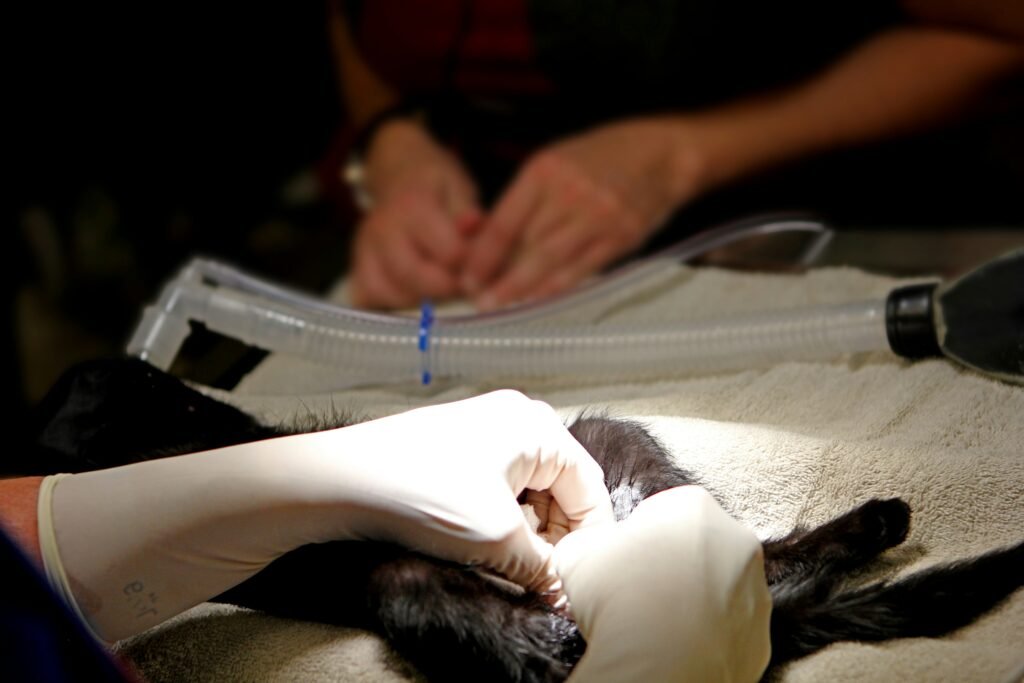
Your cat needs deworming, but you’ve heard horror stories about cats foaming at the mouth or developing mysterious powdery residue after topical treatments. You’re wondering if Profender dewormer is worth the prescription requirement and higher cost, or if you should stick with over-the-counter tablets that your cat fights tooth and nail.
We’ve researched Profender dewormer cats review 2026 performance, including the side effects most reviews don’t mention and practical application challenges that can make or break your deworming experience. This review covers what actually happens when you use Profender, how to handle common reactions, and whether the topical convenience is worth the prescription hassle for your specific situation.
What Is Profender Dewormer and How It Works
Profender is a prescription-only topical dewormer that combines two active ingredients—emodepside and praziquantel—to target both roundworms and tapeworms in a single application. Unlike over-the-counter dewormers that typically focus on one worm type, Profender offers broad-spectrum coverage that eliminates the guesswork of identifying which parasites your cat actually has.
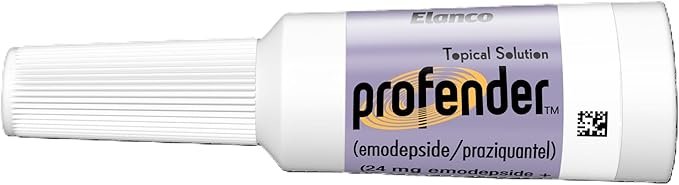
The prescription requirement exists because Profender contains more potent active ingredients than what’s available over-the-counter. This means it can tackle heavier worm loads and resistant parasites that might survive gentler treatments, but it also means more potential for side effects if not used correctly.
Active Ingredients Breakdown
Emodepside works by paralyzing roundworms and hookworms through their nervous systems, while praziquantel targets tapeworms by disrupting their cell membranes. This dual-action approach explains why Profender can clear multiple worm types simultaneously, something most single-ingredient dewormers cannot achieve.
The topical delivery system allows these ingredients to absorb through your cat’s skin and circulate throughout their bloodstream. This bypasses the digestive system entirely, which is why cats can’t simply vomit up the medication like they might with oral dewormers.
Prescription vs OTC: Why the Difference Matters
Most over-the-counter dewormers contain pyrantel pamoate or similar compounds that work primarily on roundworms. They’re gentler but limited in scope, often requiring multiple doses or combination treatments for comprehensive parasite control. Profender’s prescription status allows for stronger active ingredients that can handle complex infestations in one application.
However, this strength comes with trade-offs. You’ll need a vet visit for the prescription, which adds cost to your total treatment expense. The medication itself also costs significantly more than OTC alternatives.
Real-World Application: What Actually Happens
Applying Profender seems straightforward in theory—squeeze the tube contents onto your cat’s neck—but real-world application reveals several challenges that can affect both safety and effectiveness. The most common issue owners report is the thick, oily consistency that doesn’t absorb immediately like flea treatments.
Step-by-Step Application Process
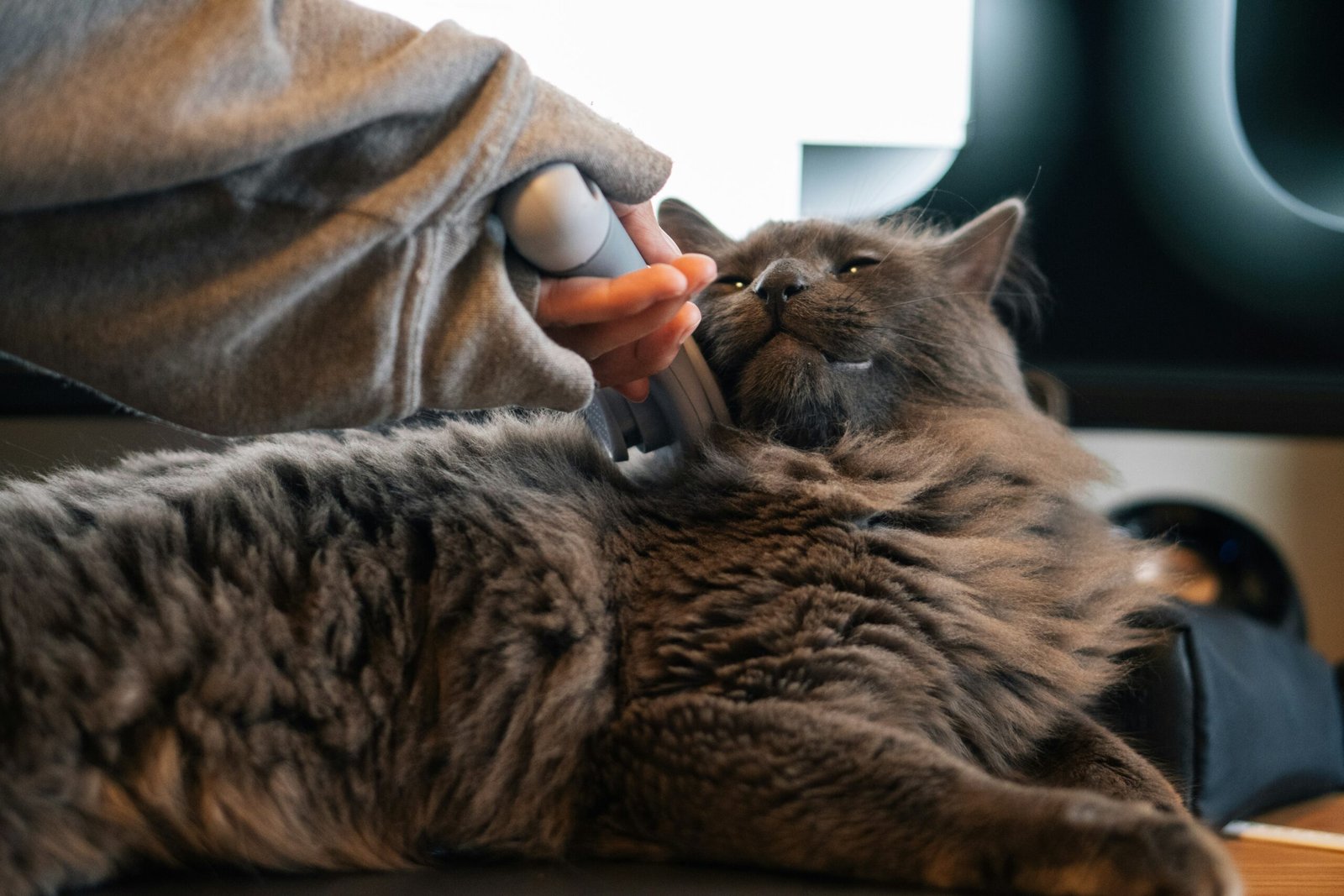
Start by parting your cat’s fur at the base of their skull, between the shoulder blades where they can’t reach to lick. The application site needs to be completely dry—any moisture will prevent proper absorption. Squeeze the entire tube contents directly onto the skin, not the fur, in one spot rather than spreading it around.
Keep your cat separated from other pets for at least 2-4 hours after application. The medication remains wet and potentially toxic to other animals during this absorption period. Most owners find morning application works best, allowing supervision throughout the day.
Managing the Powdery Residue Problem
Within 24-48 hours, many cats develop a white, powdery residue at the application site. This is normal—it’s the medication’s inactive ingredients crystallizing as the active compounds absorb. The residue typically flakes off naturally within a week, but you can gently brush it out if it bothers you or your cat.
Some cats experience temporary fur discoloration or a slightly greasy texture that persists for several days. This doesn’t indicate a problem with absorption or effectiveness, but it can be cosmetically concerning for show cats or indoor cats with white fur.
When Cats React Badly: Warning Signs
Normal reactions include temporary lethargy, reduced appetite for 12-24 hours, and mild skin irritation at the application site. These symptoms typically resolve without intervention as the medication processes through your cat’s system.
Contact your veterinarian immediately if you notice excessive drooling, difficulty breathing, vomiting within 2 hours of application, or severe lethargy lasting more than 48 hours. These signs could indicate an allergic reaction or accidental ingestion if your cat managed to lick the application site.
Profender Dewormer Cats Review 2026: Effectiveness and Timeline
Profender begins working within hours of application, with most worms dying within 24-48 hours. However, you won’t see immediate results in your cat’s stool—dead worms are often digested or passed in fragments that aren’t easily visible. The medication’s effectiveness becomes apparent through improved appetite, energy levels, and the absence of visible worms in subsequent bowel movements.
Worm Coverage Spectrum
Profender targets roundworms (Toxocara cati, Toxascaris leonina), hookworms (Ancylostoma tubaeforme), and tapeworms (Dipylidium caninum, Taenia taeniaeformis). This broad spectrum coverage makes it particularly valuable for cats with unknown parasite loads or those exposed to multiple worm types through outdoor access or multi-pet households.
The medication does not treat coccidia, giardia, or other protozoal parasites that sometimes accompany worm infections. If your cat shows persistent digestive symptoms after Profender treatment, additional testing may be needed to identify non-worm parasites.
Treatment Timeline and Follow-up Needs
Most cats require only one Profender application for effective deworming. However, cats with heavy infestations or those regularly exposed to reinfection sources may need a second dose 14-21 days later. Your veterinarian will typically recommend fecal testing 2-4 weeks post-treatment to confirm parasite elimination.
Kittens and cats with compromised immune systems may require more aggressive follow-up protocols. The single-dose convenience that makes Profender attractive for healthy adult cats doesn’t always translate to high-risk populations.
Side Effects and Safety Concerns
Understanding Profender’s side effect profile helps you distinguish normal reactions from concerning symptoms that require veterinary attention. Most cats experience mild, temporary effects, but the medication’s potency means more serious reactions are possible.
Common Side Effects (Most Cats)
Lethargy affects many cats treated with Profender, typically lasting 12-24 hours. This represents your cat’s body processing the medication and the die-off of intestinal parasites. Reduced appetite often accompanies lethargy but usually resolves within 48 hours.
Application site reactions include mild redness, temporary fur loss, or localized itching. These effects rarely require treatment and resolve as the medication absorbs completely. Some cats may scratch at the application site, which is why keeping the area covered or using an Elizabethan collar for the first few hours can be helpful.
Serious Reactions (When to Call Your Vet)
Excessive salivation or foaming at the mouth, particularly if it occurs more than 4 hours after application, may indicate accidental ingestion or hypersensitivity. While some drooling is normal if cats groom the application area despite precautions, persistent foaming warrants immediate veterinary consultation.
Respiratory symptoms like panting, wheezing, or rapid breathing are rare but serious. These signs could indicate an allergic reaction requiring immediate treatment. Vomiting within 2 hours of application may mean the cat licked the medication before it fully absorbed, potentially reducing effectiveness.
Kitten Safety Considerations
Profender is approved for kittens as young as 8 weeks old, but dosing must be precise based on body weight. Kittens under 2.2 pounds cannot safely receive adult dosing and may require alternative deworming protocols. The medication’s potency makes overdosing particularly dangerous in small kittens.
Pregnant and nursing cats present additional considerations. While Profender is generally considered safe during pregnancy, many veterinarians prefer gentler alternatives during the first trimester or recommend waiting until after weaning when possible.
Cost Analysis: Prescription vs OTC Alternatives
The true cost of Profender extends beyond the medication price to include veterinary consultation fees, potential follow-up visits, and time invested in obtaining the prescription. When compared to over-the-counter alternatives, the total investment can be significantly higher, making cost-effectiveness dependent on your specific situation.
Hidden Costs of Prescription Dewormers
Beyond the medication cost, factor in the veterinary consultation required to obtain Profender. Some veterinarians require recent fecal testing before prescribing, adding to your total expense. If your cat experiences side effects requiring follow-up care, additional consultation fees may apply.
For cats requiring repeat treatments or multiple pets in the household, these costs multiply quickly. A household with multiple cats could face considerable expense for complete Profender treatment versus more affordable over-the-counter alternatives.
When OTC Tablets Make More Sense
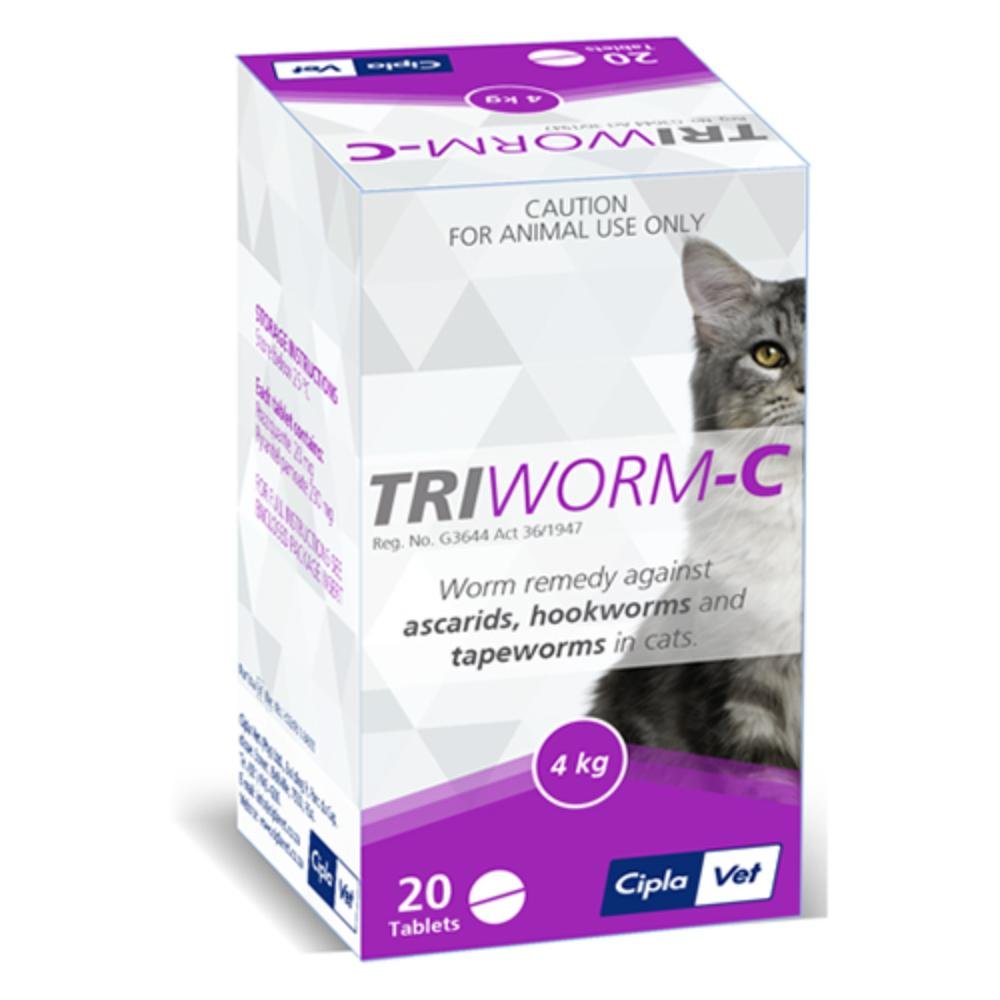
Over-the-counter dewormers like Triworm-C offer significant cost savings for straightforward worm problems. This option costs considerably less than Profender while covering the same major worm types. The trade-off is multiple dosing requirements and the challenge of administering oral medication to uncooperative cats.
For cats with known parasite types, established deworming routines, or owners comfortable with pill administration, OTC options provide effective treatment without prescription requirements. The key is having confidence in your cat’s parasite identification and your ability to complete the full dosing schedule.
Who Should (and Shouldn’t) Use Profender
Profender works best for specific cat owner profiles and situations where its unique advantages outweigh the prescription requirements and higher costs. Understanding whether your circumstances align with Profender’s strengths helps determine if the investment makes sense for your household.
Ideal Candidates for Profender
Cats that fight oral medications aggressively benefit most from Profender’s topical application. If you’ve struggled with pill administration or your cat vomits oral dewormers, the single topical dose eliminates compliance issues entirely. Multi-cat households where cross-contamination is likely also benefit from Profender’s broad-spectrum, one-dose approach.
Cats with unknown parasite loads—such as recent rescues, outdoor cats, or those showing multiple worm symptoms—are excellent Profender candidates. The broad-spectrum coverage eliminates guesswork and provides comprehensive treatment without requiring parasite identification first.
Owners who prioritize convenience and can afford the premium price find Profender’s simplicity appealing. The single application approach works well for busy schedules or when traveling with cats who need deworming.
Better Alternatives for Difficult Cats
Cats prone to grooming the application site excessively may not be good Profender candidates. If your cat is particularly fastidious or stressed by topical treatments, oral alternatives might provide more predictable results despite administration challenges.
Very small kittens under 8 weeks or elderly cats with sensitive skin may experience more pronounced side effects from Profender’s potent formula. Gentler, graduated treatment protocols often work better for these vulnerable populations.
Budget-conscious cat owners dealing with routine deworming needs may find better value in established oral dewormers. If cost is a primary concern and your cat tolerates pills reasonably well, OTC options provide effective treatment at lower expense.
Frequently Asked Questions
Can I buy Profender dewormer without a prescription in 2026?
No, Profender remains a prescription-only medication in 2026. The FDA classification hasn’t changed due to the medication’s potent active ingredients requiring veterinary oversight. Attempting to purchase Profender from unauthorized sources risks receiving counterfeit or expired products.
Why does my cat foam at the mouth after Profender application?
Mild foaming can occur if your cat grooms the application area before the medication fully absorbs. The bitter taste triggers excessive salivation as a natural response. Persistent foaming beyond 2-4 hours may indicate a more serious reaction requiring veterinary attention.
How long does the powdery residue stay on my cat’s neck?
The white, powdery residue typically appears 24-48 hours after application and naturally flakes off within 5-7 days. You can gently brush it out after day three, but avoid washing the area for at least 48 hours to ensure complete absorption.
Is Profender safe for pregnant cats and kittens under 8 weeks?
Profender is not recommended for kittens under 8 weeks old or weighing less than 2.2 pounds. For pregnant cats, many veterinarians prefer alternative deworming protocols during the first trimester, though Profender is generally considered safe during later pregnancy stages.
What’s the difference between Profender and over-the-counter dewormers?
Profender contains prescription-strength active ingredients (emodepside and praziquantel) that provide broader worm coverage in a single dose. OTC dewormers typically contain gentler compounds like pyrantel pamoate, requiring multiple doses and covering fewer worm types, but costing significantly less.
Bottom Line: Is Profender Worth the Investment?
Profender excels in specific scenarios where its unique advantages justify the prescription requirement and premium pricing. For cats that resist oral medications, households dealing with multi-parasite infestations, or owners prioritizing treatment convenience, Profender delivers reliable results with minimal compliance issues.
However, the medication isn’t universally superior to alternatives. Cats with routine deworming needs, budget-conscious owners, or those dealing with single parasite types may find better value in established oral dewormers. The key lies in matching Profender’s strengths to your specific circumstances rather than assuming prescription automatically means better.
Consider Profender when topical application offers clear advantages over oral alternatives, when broad-spectrum coverage eliminates diagnostic uncertainty, or when treatment convenience justifies the premium cost. Skip it when budget constraints are primary concerns, when your cat tolerates oral medications well, or when you’re dealing with straightforward, identified parasite problems.
The prescription requirement and higher cost make sense when Profender’s unique advantages—topical application, broad-spectrum coverage, single-dose convenience—align with your cat’s needs and your household situation.
Ready to tackle your cat’s worm problem with confidence? Compare current pricing and alternatives to find the right solution for your situation. Whether you choose prescription strength or over-the-counter alternatives, the most important factor is completing the full treatment protocol and following up with fecal testing to confirm parasite elimination. Our profender dewormer cats review 2026 findings suggest success depends on matching treatment method to your specific cat’s needs and cooperation level.