
Best Cat Dental Toothpaste 2026: Complete Buying Guide
Finding the best cat dental toothpaste 2026 can feel overwhelming when your feline friend turns their nose up at every product you try. With dental disease affecting over 70% of cats by age three, choosing an effective toothpaste that your cat will actually tolerate becomes crucial for preventing expensive dental procedures and maintaining their overall health. The challenge isn’t just finding a product that works—it’s finding one your cat won’t run away from the moment they catch a whiff.
We’ve researched the most effective cat dental toothpastes available in 2026, focusing on products that balance palatability with proven dental health benefits. From chicken-flavored formulas to complete kits with application tools, these recommendations address the real-world challenges cat owners face when establishing dental care routines.
What Makes a Great Cat Dental Toothpaste
The most effective cat dental toothpastes combine safe, enzymatic ingredients with flavors cats actually enjoy, making regular dental care achievable rather than a wrestling match.
Unlike human toothpaste, cat dental products must be completely safe to swallow since cats cannot spit and rinse. The best formulations use enzymatic action to break down plaque and bacteria while featuring appetizing flavors like chicken, beef, or poultry that encourage cooperation rather than resistance.
Key features to prioritize include:
- Enzymatic formula: Breaks down plaque and bacteria naturally
- Appealing flavor: Chicken, beef, or poultry options cats prefer
- Safe ingredients: No fluoride, xylitol, or artificial sweeteners
- Proper texture: Easy to apply with finger or brush
- Veterinary approval: Formulated specifically for feline oral health
The texture matters more than many owners realize. Toothpastes that are too thick become difficult to distribute evenly, while overly thin formulas don’t stay in place long enough to be effective. The ideal consistency allows for easy application while maintaining contact with teeth and gums during the cleaning process.
Top 6 Cat Dental Toothpastes Compared
After evaluating effectiveness, palatability, and value, these six products stand out as the most reliable options for maintaining your cat’s dental health in 2026.
Best Overall: Prozym Rf2 Dental Toothpaste Kit
The Prozym Rf2 Dental Toothpaste Kit offers the best combination of effectiveness and convenience for most cat owners, featuring a chicken-flavored enzymatic formula paired with an included fingerbrush for immediate use.
This kit eliminates the guesswork of finding compatible application tools, as the included fingerbrush fits most adult fingers comfortably and provides better control than separate purchases. The chicken flavoring proves more acceptable to finicky cats than generic “pet” flavors, making the brushing process less stressful for both owner and cat.
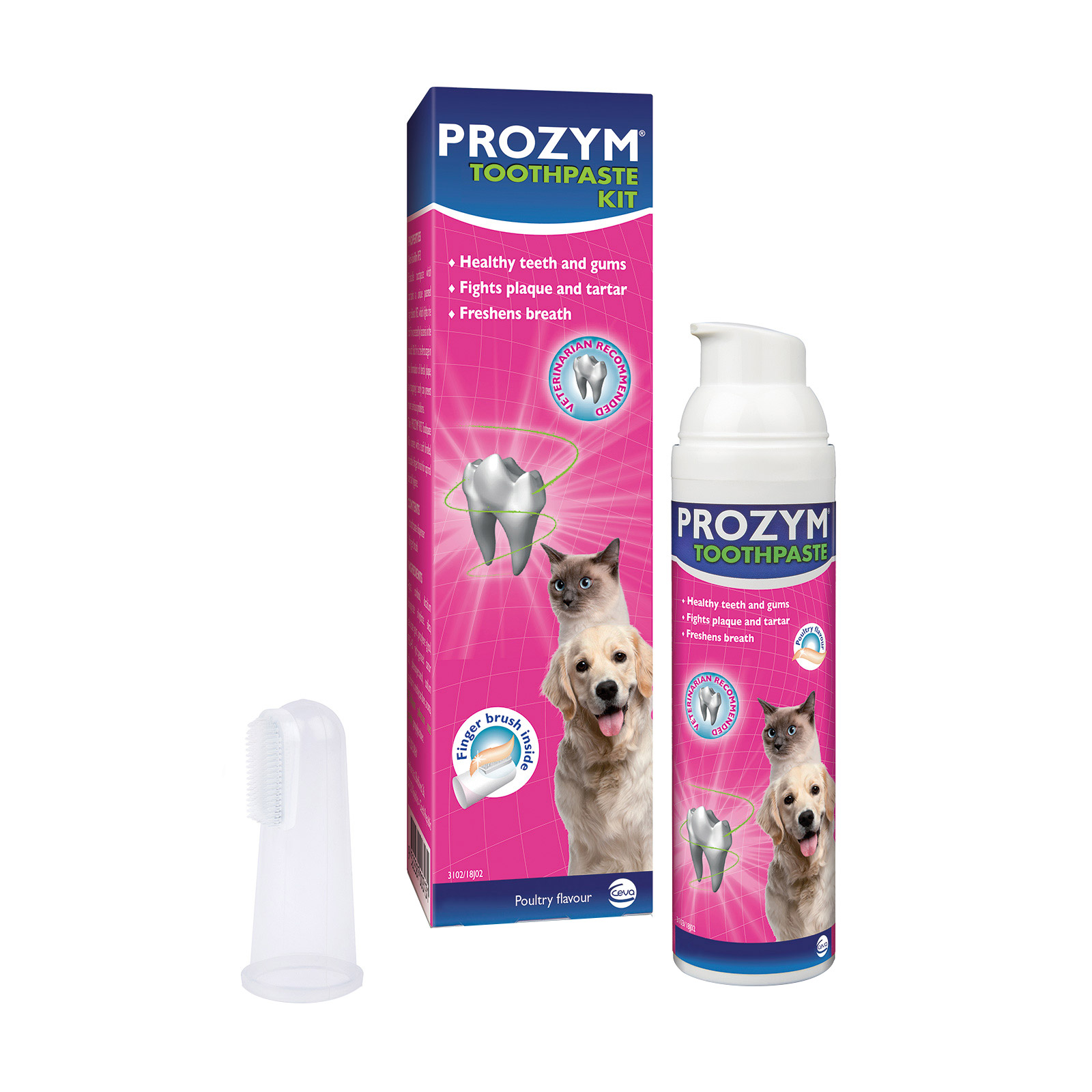
The enzymatic formula targets plaque buildup effectively while remaining completely safe if swallowed. This complete kit provides excellent value by including both the toothpaste and application tool, eliminating separate purchases and ensuring compatibility between components.
Pros:
- Complete kit includes fingerbrush
- Chicken flavor appeals to most cats
- Enzymatic formula breaks down plaque naturally
- Veterinary-grade ingredients
Cons:
- Higher price point than standalone toothpastes
- Single flavor option only
- Fingerbrush may not fit all hand sizes perfectly
Best Value: Pet Dent Toothpaste 60gm
Pet Dent Toothpaste delivers solid dental care performance at an affordable price point, making it an excellent choice for budget-conscious cat owners who don’t want to compromise on their pet’s oral health.
The 60gm tube offers generous size that ensures several months of regular use for most cats, making it particularly economical for multi-cat households or owners just starting their cat’s dental care routine.
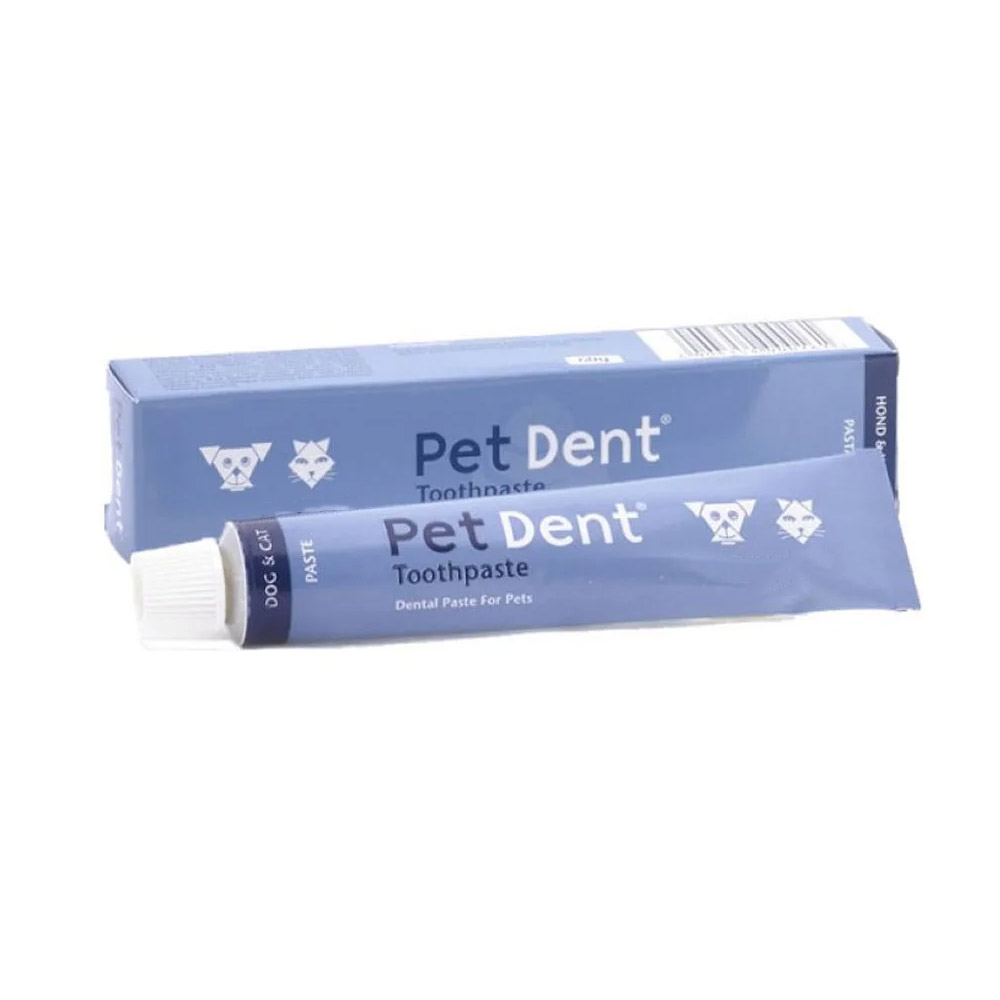
While it doesn’t include application tools or offer flavor variety, the fundamental formula effectively supports dental health when used consistently. The texture applies smoothly with fingers or brushes, and the neutral flavor profile works for cats who aren’t particular about taste preferences.
Pros:
- Affordable price point
- Large 60gm size for extended use
- Simple, effective formula
- Suitable for cats with flavor sensitivities
Cons:
- No included application tools
- Limited flavor appeal
- Basic packaging without detailed instructions
Best for Flavor Variety: Dentipet Toothpaste
Dentipet Toothpaste stands out by offering both chicken and beef flavor options, allowing owners to accommodate even the pickiest feline eaters or switch flavors to maintain interest over time.
The availability of two distinct flavors addresses one of the most common challenges in cat dental care: flavor fatigue. Cats who initially accept one flavor may lose interest over time, making the ability to alternate between chicken and beef particularly valuable for maintaining consistent dental care routines.
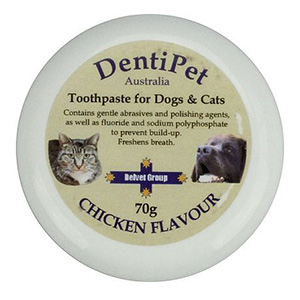
Both formulations maintain the same enzymatic effectiveness while delivering distinctly different taste experiences. The 70gm tubes provide ample product for regular use, making it easy to stock both flavors for variety.
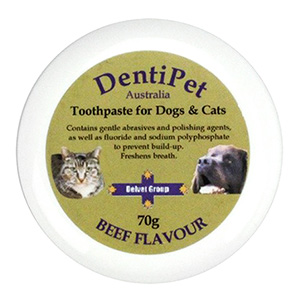
The beef flavor often appeals to cats who show less enthusiasm for poultry-based products, expanding the pool of cats who will cooperate with dental care. This flexibility proves especially valuable in multi-cat homes where different cats may have distinct preferences.
Pros:
- Two flavor options available
- Large 70gm tubes for extended use
- Consistent quality across both flavors
- Appeals to picky eaters
Cons:
- Must purchase flavors separately
- Higher cost for variety
- No included application tools
Best Poultry Formula: Petosan Toothpaste
Petosan Toothpaste offers poultry-flavored dental care in two convenient sizes, making it easy to try the formula or stock up based on your cat’s acceptance and household needs.
The poultry flavoring often proves more appealing than generic meat flavors, as it captures the specific taste profile many cats prefer. The availability of both 20gm and 70gm sizes provides flexibility for different situations—the smaller size works well for initial trials or travel, while the larger tube serves multi-cat homes or committed long-term users.
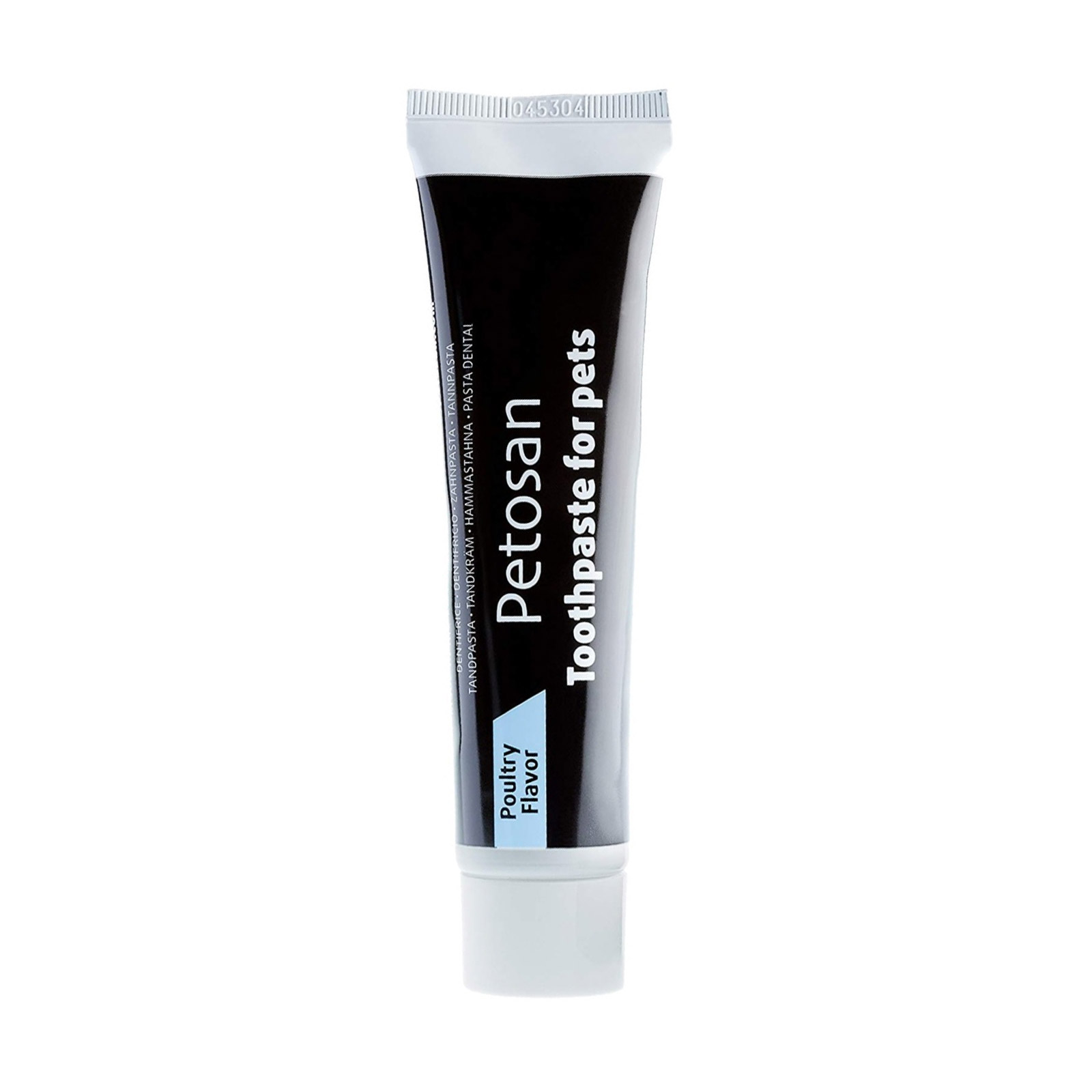
The 70gm tube offers excellent value for households committed to regular dental care, while the 20gm version provides an economical way to test your cat’s acceptance before investing in the larger size.
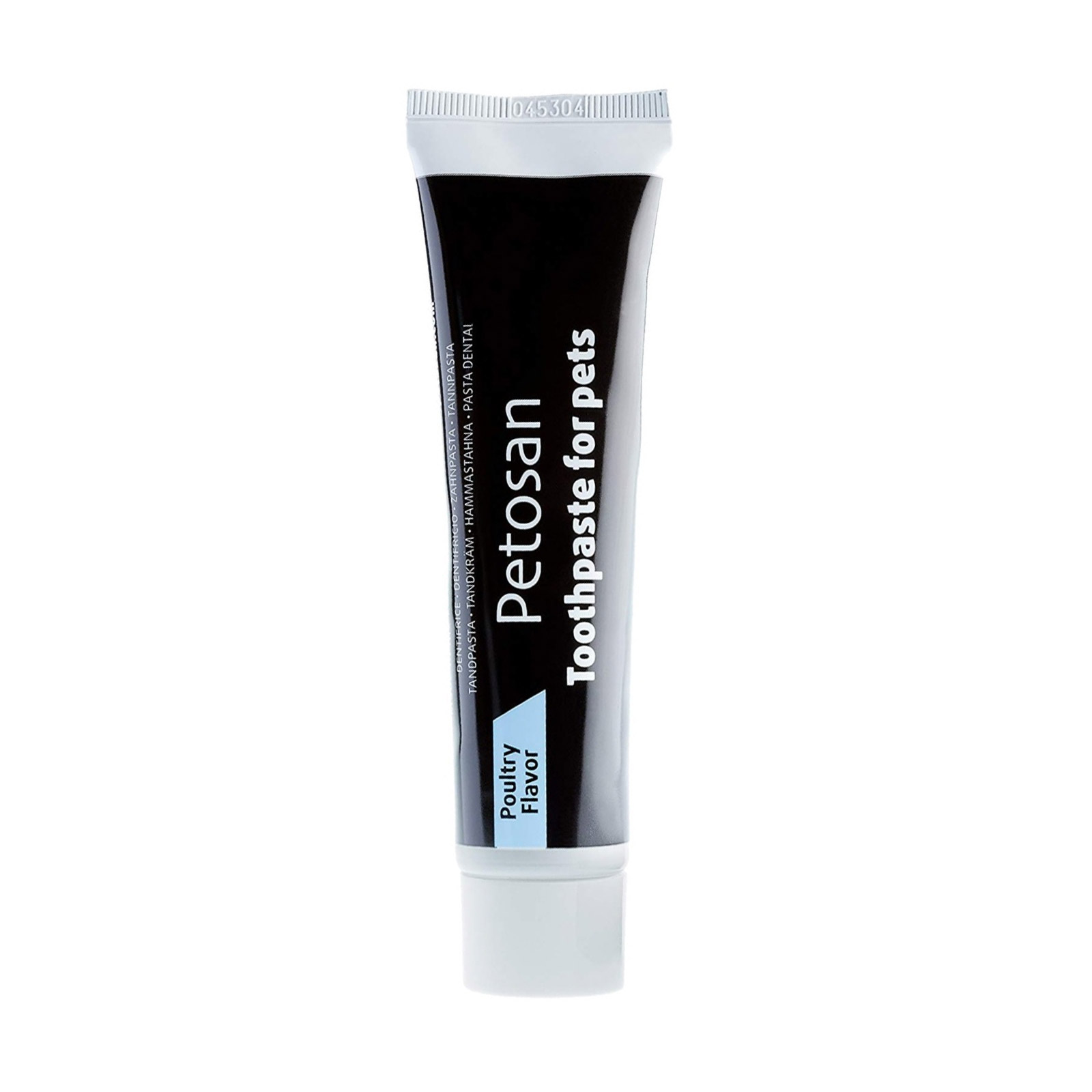
Both sizes feature identical formulations, ensuring consistent results regardless of which option you choose. The poultry flavoring maintains its appeal over time, reducing the likelihood of cats developing aversion to their dental care routine.
Pros:
- Two size options for different needs
- Appealing poultry flavor
- Competitive pricing structure
- Trial size available for testing
Cons:
- Small size offers limited value for long-term use
- Single flavor option only
- No application tools included
Product Comparison Table
Compare key specifications across all six products to identify the best match for your cat’s specific needs and your household situation.
| Product Name | Size | Flavor | Key Features | Best For |
|---|---|---|---|---|
| Prozym Rf2 Kit | 1 Pack | Chicken | Includes fingerbrush | First-time users |
| Pet Dent | 60gm | Neutral | Budget-friendly | Cost-conscious owners |
| Dentipet Chicken | 70gm | Chicken | Large tube size | Chicken preference |
| Dentipet Beef | 70gm | Beef | Alternative flavor | Picky eaters |
| Petosan 70gm | 70gm | Poultry | Mid-range pricing | Multi-cat homes |
| Petosan 20gm | 20gm | Poultry | Trial size | Testing acceptance |
How to Introduce Toothpaste to Your Cat
Successfully introducing dental care requires patience and gradual conditioning, starting with simple taste acceptance before progressing to full brushing routines.
Begin by allowing your cat to smell and taste a small amount of toothpaste on your finger. Most cats need several positive exposures before accepting new flavors, so don’t expect immediate enthusiasm. Place a tiny amount on your fingertip and let your cat investigate at their own pace.
Once your cat shows interest in the taste, progress to gently touching their lips and front teeth with toothpaste on your finger. This familiarizes them with the sensation while building positive associations with the flavor. Reward calm behavior with treats or affection to reinforce the experience.
The gradual progression typically follows this timeline:
- Days 1-3: Taste introduction on finger
- Days 4-7: Gentle lip and front tooth contact
- Days 8-10: Brief gum line touching
- Days 11-14: Introduction of finger brush or cloth
- Week 3+: Full brushing routine establishment
Never rush this process. Cats who associate dental care with stress or force will resist future attempts, making consistent care nearly impossible. Some cats may need longer adjustment periods, particularly rescue cats or those with limited handling experience.
If your cat shows extreme resistance, consider starting with dental treats or water additives before returning to toothpaste introduction. The goal is establishing positive associations with oral care rather than winning battles through persistence.
Ingredients to Look For (and Avoid)
Understanding safe versus dangerous ingredients ensures you choose products that support dental health without risking your cat’s overall wellbeing.
Essential beneficial ingredients include:
- Enzymes: Break down plaque and bacteria naturally
- Natural flavoring: Chicken, beef, or poultry extracts for palatability
- Sorbitol: Safe sweetener that doesn’t promote tooth decay
- Silica: Gentle abrasive for plaque removal
- Glycerin: Maintains paste consistency and moisture
Enzymatic action represents the most important feature in cat toothpaste. These biological catalysts continue working even after brushing stops, breaking down bacterial colonies and preventing plaque formation between cleaning sessions.
Dangerous ingredients to avoid completely:
- Xylitol: Extremely toxic artificial sweetener
- Fluoride: Harmful when swallowed regularly
- Sodium lauryl sulfate: Harsh detergent unnecessary for cats
- Artificial colors: Provide no benefit and may cause sensitivities
- Tea tree oil: Toxic to cats even in small amounts
Xylitol poisoning in cats can cause rapid liver damage and potentially fatal hypoglycemia. Even products marketed for pets sometimes contain this ingredient, making careful label reading essential before purchase.
Fluoride accumulation poses long-term health risks since cats cannot rinse and spit like humans. While small amounts might not cause immediate problems, regular exposure through daily brushing can lead to fluoride toxicity over time.
The safest cat toothpastes rely on enzymatic action rather than harsh chemicals or toxic additives to maintain oral health.
Frequently Asked Questions
Can I use human toothpaste on my cat?
Never use human toothpaste on cats. Human formulations contain fluoride and other ingredients toxic to cats, as they cannot spit and rinse like humans do. Always choose products specifically formulated for pets.
How often should I brush my cat’s teeth with toothpaste?
Ideally, brush your cat’s teeth daily with appropriate toothpaste. However, 3-4 times per week provides significant benefits if daily brushing isn’t feasible. Consistency matters more than frequency—regular brushing twice weekly outperforms sporadic daily attempts.
What flavor of cat toothpaste do cats prefer most?
Chicken and poultry flavors generally prove most appealing to cats, though individual preferences vary significantly. Some cats prefer beef flavors, while others accept neutral formulations better. Starting with chicken-flavored options gives the highest success rate.
Is cat dental toothpaste safe if swallowed?
Quality cat toothpastes are formulated to be safe when swallowed, since cats cannot rinse and spit. However, only use products specifically designed for pets, and avoid excessive amounts during each brushing session.
How much cat toothpaste should I use per brushing?
Use approximately a pea-sized amount for average adult cats, or less for smaller cats and kittens. The toothpaste should coat the brush or finger applicator without dripping, providing enough product for thorough cleaning without waste or overconsumption.
Final Verdict: Choose the Right Toothpaste for Your Cat
The best cat dental toothpaste 2026 depends on your specific situation, but most owners will find success with the Prozym Rf2 Dental Toothpaste Kit for its complete solution approach, while budget-conscious households should consider Pet Dent for reliable performance without premium pricing.
For cats just starting their dental care journey, the Prozym Rf2 Kit eliminates guesswork by including both toothpaste and application tools. The chicken flavor appeals to most cats, making the introduction process smoother and more likely to succeed long-term.
Households managing multiple cats or seeking maximum value should consider Pet Dent Toothpaste for its generous 60gm size and budget-friendly pricing. While it lacks flavor variety, the neutral formulation works well for cats without strong taste preferences.
Owners dealing with particularly picky cats benefit from Dentipet’s dual flavor options, allowing for taste variety that maintains interest over time. The ability to switch between chicken and beef flavors often prevents the flavor fatigue that derails many dental care routines.
For those wanting to test their cat’s acceptance before committing to larger purchases, Petosan’s 20gm trial size provides an economical introduction to poultry-flavored dental care. Success with the smaller tube makes the 70gm version an obvious next step.
Remember that the most effective toothpaste is the one your cat will actually accept consistently. Even premium formulations fail if your cat refuses to cooperate with the brushing process. Start with patient introduction techniques and choose flavors that align with your cat’s established preferences for the highest chance of long-term success.
Transform your cat’s dental health starting today—most owners notice improved breath and healthier gums within two weeks of consistent use with quality dental toothpaste.