
When your once-confident cat starts hiding under the bed for hours, spraying outside the litter box, or showing aggression toward family members, anxiety might be the culprit. Cat anxiety affects millions of felines and can severely impact their quality of life—and yours. Anxitane for cats has emerged as a popular prescription-strength supplement containing L-theanine, promising to calm anxious behaviors naturally. But with a price tag of around $40 for a 30-day supply, many cat owners wonder: does this anxitane for cats anxiety review reveal a supplement worth the investment, or just expensive false hope?
We’ve examined the real-world effectiveness, ingredient science, and cost considerations of Anxitane to give you an honest assessment. This review cuts through marketing claims to help you decide whether Anxitane deserves a place in your anxious cat’s treatment plan, along with exploring more affordable alternatives that might work just as well.
What Is Anxitane and How Does It Work?
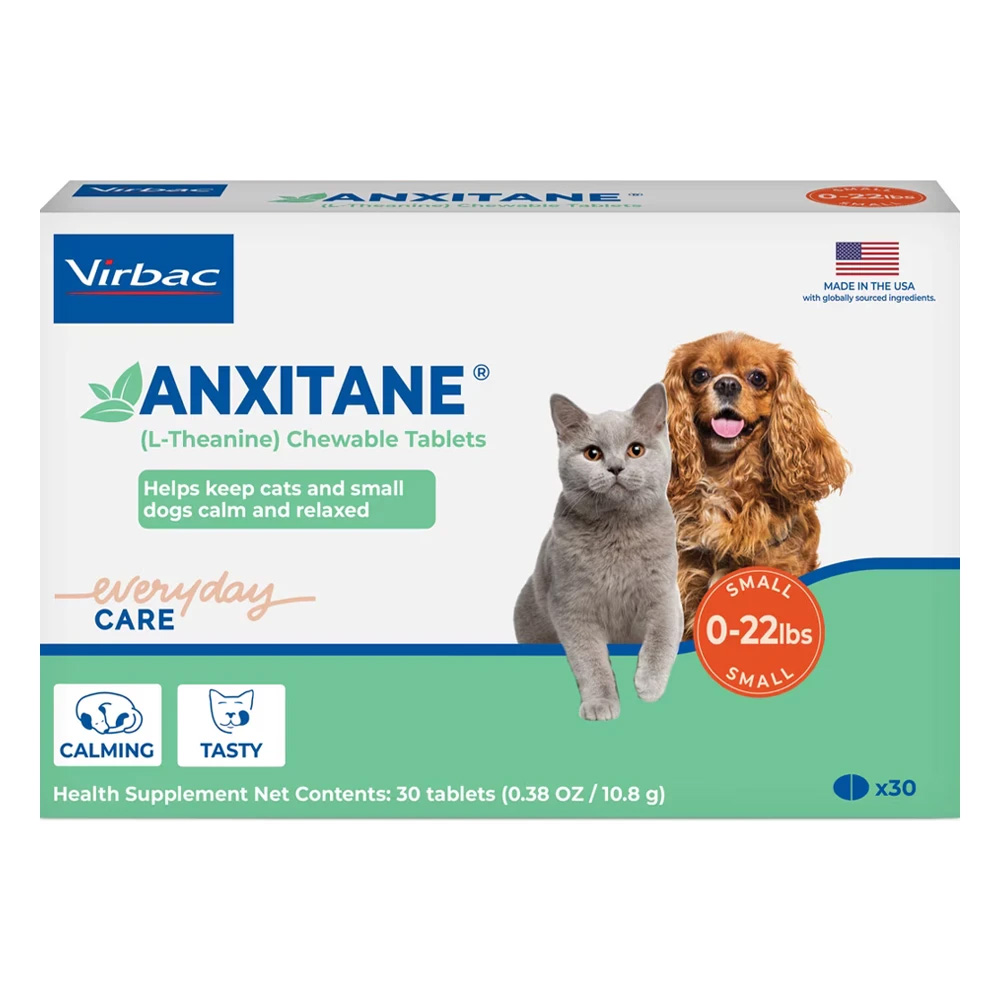
Anxitane is a veterinary-recommended supplement designed specifically to address anxiety in cats and small dogs. The active ingredient is L-theanine, an amino acid naturally found in green tea leaves that has been studied for its calming properties in both humans and animals. Unlike sedatives or anti-anxiety medications that can cause drowsiness, L-theanine works by promoting relaxation without affecting alertness or normal behavior patterns.
The mechanism behind L-theanine involves its interaction with neurotransmitters in the brain, particularly GABA (gamma-aminobutyric acid), which helps regulate anxiety and stress responses. When cats consume L-theanine, it crosses the blood-brain barrier and may help increase alpha brain wave activity—the same brain waves associated with calm, focused states in meditation and relaxation.
Anxitane comes in chewable tablet form, making administration easier than liquid medications that many cats resist. The recommended dosage varies based on your cat’s weight, but most cats receive one tablet daily. The chewable format allows you to break tablets if needed for smaller cats or mix them with food if your cat won’t eat them directly.
What sets Anxitane apart from over-the-counter calming treats is its standardized L-theanine content and pharmaceutical-grade manufacturing. Each tablet contains a precise amount of the active ingredient, ensuring consistent dosing—something that can vary significantly in generic calming products. The supplement is designed for long-term use, with many cats showing gradual improvement over several weeks rather than immediate results.
Unlike prescription anti-anxiety medications, Anxitane doesn’t require extensive monitoring or gradual dose adjustments. However, it’s still important to consult with your veterinarian before starting any supplement regimen, especially if your cat is already taking other medications or has underlying health conditions that might contribute to anxiety behaviors.
Anxitane for Cats Anxiety Review: Real Pros and Cons
After examining the available evidence and real-world usage patterns, Anxitane presents both compelling benefits and notable limitations for anxious cats. Understanding these pros and cons helps determine whether this supplement aligns with your cat’s specific needs and your budget constraints.
The Advantages of Anxitane
The most significant advantage of Anxitane is its pharmaceutical-grade formulation with standardized L-theanine content. Unlike many over-the-counter calming products that may contain variable amounts of active ingredients, each Anxitane tablet delivers a consistent dose. This reliability matters when you’re trying to manage anxiety symptoms that can fluctuate based on environmental stressors.
The chewable tablet format addresses one of the biggest challenges in medicating cats—administration. Many cat owners struggle with liquid medications or capsules that need to be hidden in food. Anxitane’s beef-flavored chewable tablets are often accepted more readily, though individual cats vary in their preferences.
From a safety perspective, L-theanine has a well-established profile with minimal side effects reported in both human and veterinary use. The supplement doesn’t typically cause sedation or cognitive impairment, allowing cats to maintain their normal activity levels while potentially experiencing reduced anxiety. This makes it suitable for long-term management of chronic anxiety conditions.
Veterinary recommendation adds credibility to Anxitane’s effectiveness claims. Many veterinary behaviorists include L-theanine supplements as part of comprehensive anxiety management plans, often combining them with environmental modifications and behavioral training techniques for optimal results.
The Drawbacks and Limitations
Cost represents the most obvious limitation of Anxitane. At approximately $40 for a 30-day supply, the monthly expense can add up quickly, especially for households with multiple cats or owners managing other veterinary expenses. This premium pricing puts Anxitane out of reach for some cat owners seeking anxiety management solutions.
Effectiveness varies significantly between individual cats, and there’s no way to predict which cats will respond positively. Some owners report noticeable improvements within days, while others see no change after weeks of consistent administration. Severe anxiety cases, particularly those stemming from medical conditions or deeply ingrained behavioral patterns, may not respond adequately to L-theanine supplementation alone.
The gradual onset of effects can be frustrating for owners dealing with acute anxiety situations. Unlike fast-acting medications that can provide immediate relief during stressful events, Anxitane typically requires consistent daily use over several weeks to reach full effectiveness. This makes it less suitable for addressing temporary anxiety triggers like travel or veterinary visits.
Additionally, Anxitane requires ongoing administration to maintain benefits. Once you stop giving the supplement, any anxiety-reducing effects typically diminish, making it a long-term commitment rather than a short-term solution.
Who Should Consider Anxitane
Anxitane works best for cats with mild to moderate anxiety symptoms that interfere with daily life but don’t require immediate intervention. Ideal candidates include cats showing stress-related behaviors like excessive grooming, inappropriate elimination outside the litter box, hiding, or mild aggression toward family members.
Cats in multi-pet households experiencing social stress, those adjusting to environmental changes, or senior cats developing age-related anxiety may benefit from Anxitane’s gentle approach. The supplement also suits owners who prefer trying natural interventions before considering prescription medications with more significant side effect profiles.
Anxitane vs. Alternative Cat Anxiety Treatments
While Anxitane represents a premium option in the cat anxiety supplement market, several alternatives offer different approaches to managing feline stress. Understanding how these options compare helps you choose the most appropriate and cost-effective solution for your cat’s specific needs.
Homeopathic anxiety relief products take a completely different approach from Anxitane’s L-theanine formula. These liquid treatments often contain multiple diluted natural ingredients and cost significantly less than pharmaceutical-grade supplements.
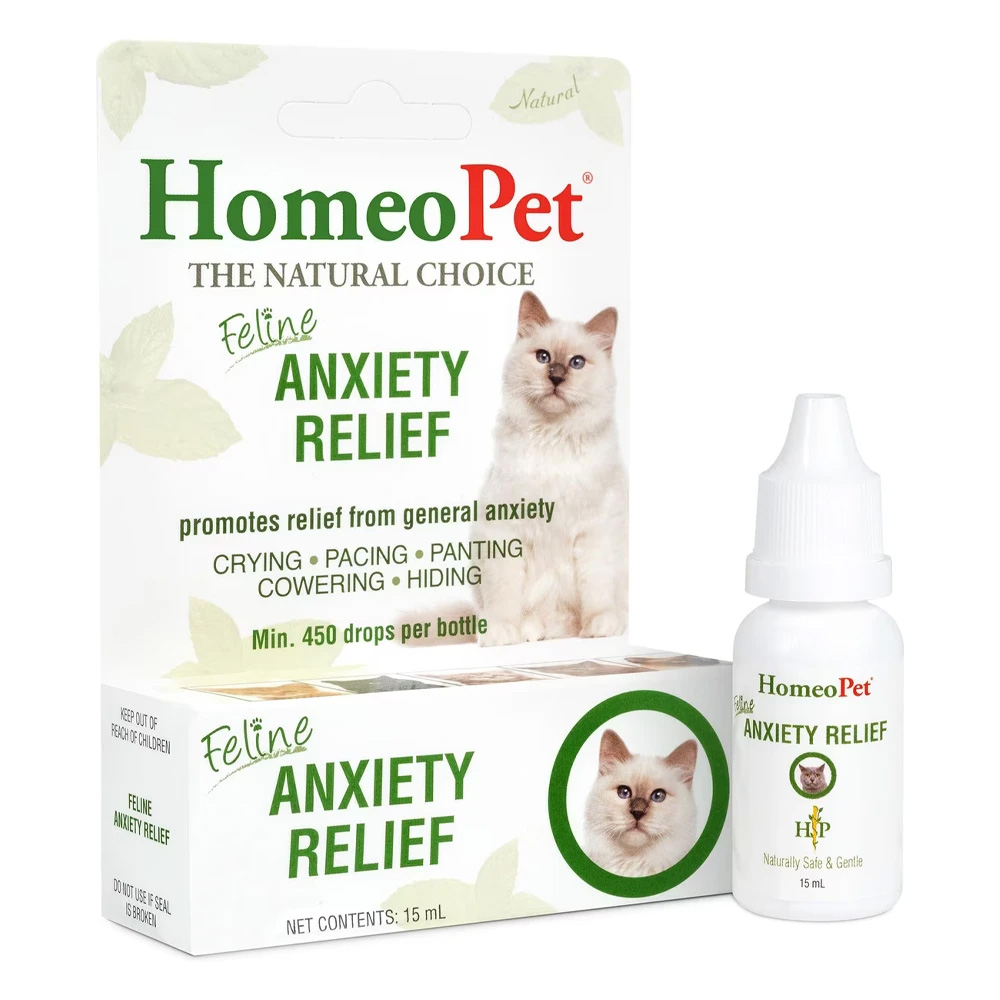
The Homeopet Feline Anxiety Relief offers a homeopathic approach at roughly half the cost of Anxitane. This liquid format allows for flexible dosing and can be easily mixed into food or water, making administration simpler for cats who resist tablets.
However, homeopathic treatments operate on different principles than pharmaceutical supplements. While some cat owners report positive results, the active ingredients are highly diluted, and the scientific evidence supporting homeopathic anxiety treatments remains limited compared to L-theanine research.
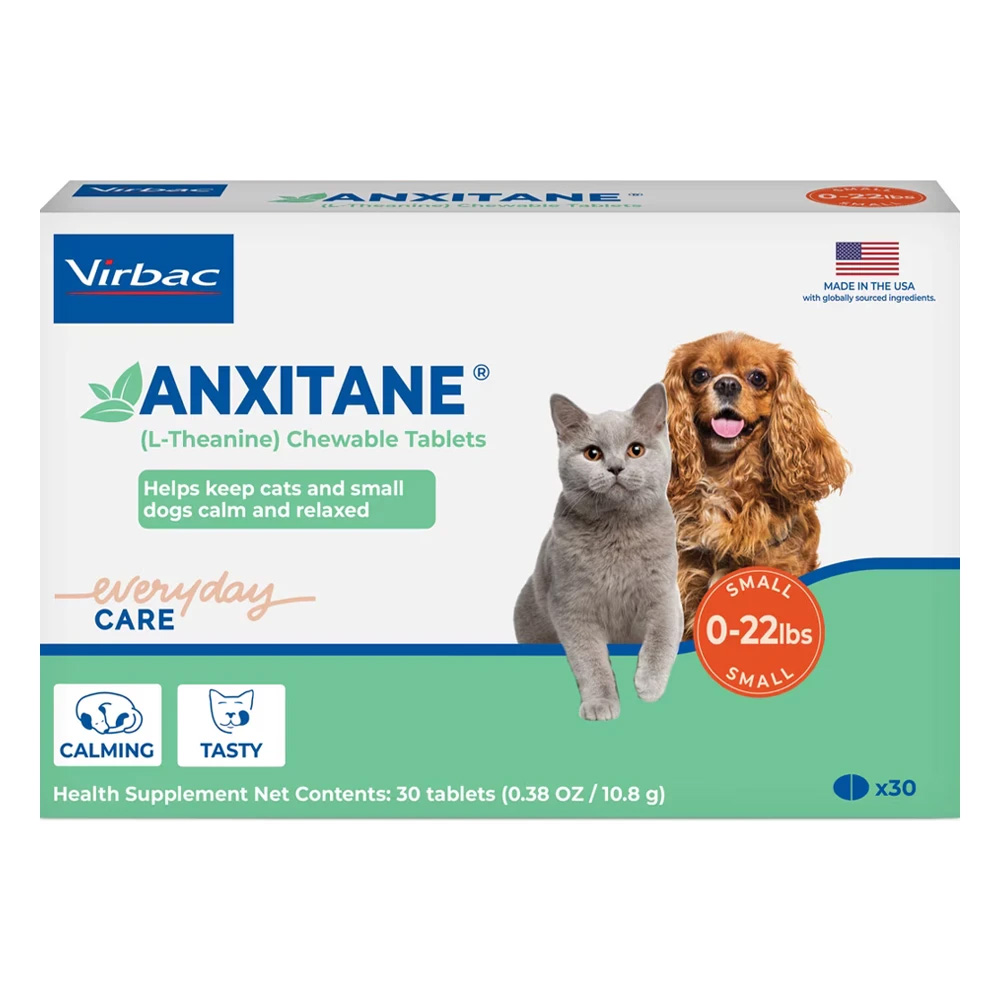
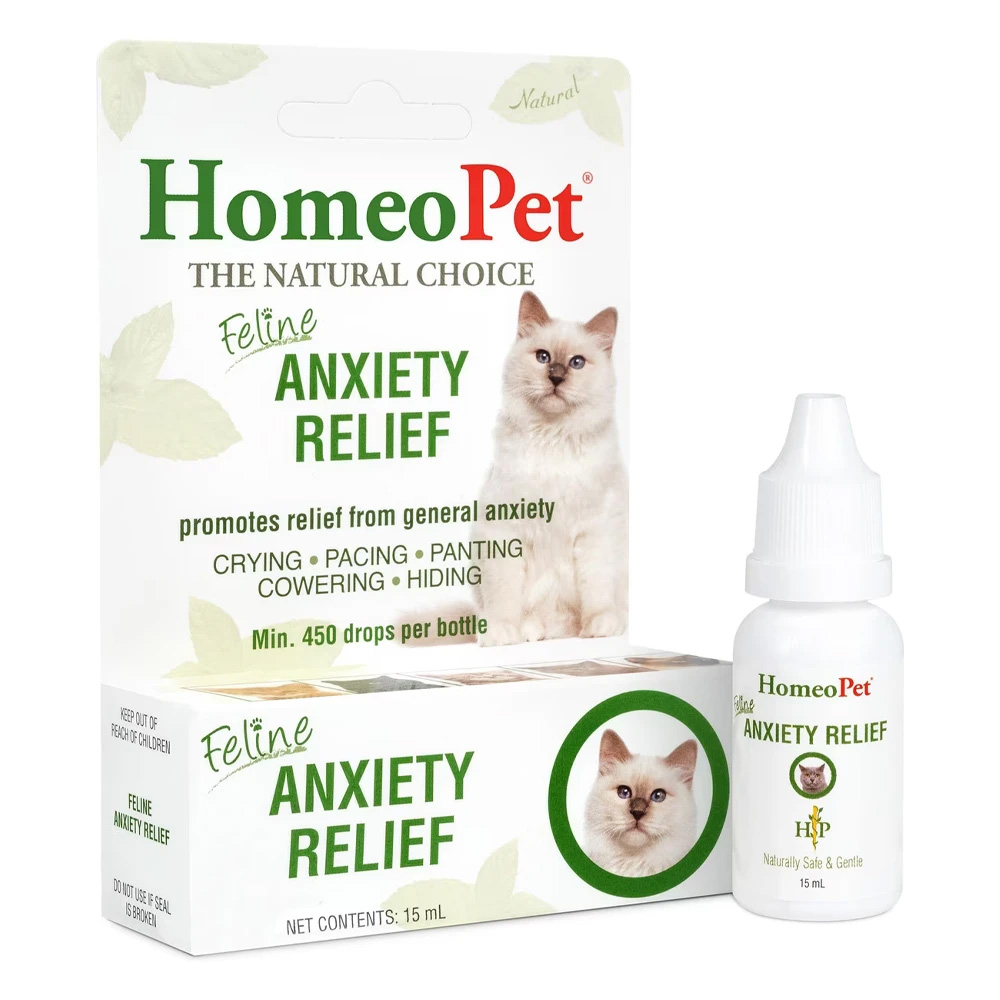
| Product Name | Active Ingredient | Format | Best For |
|---|---|---|---|
| Anxitane Chewable Tablets | L-Theanine | Chewable Tablets | Moderate anxiety, proven ingredient |
| Homeopet Feline Anxiety Relief | Homeopathic blend | Liquid | Budget-conscious owners, mild anxiety |
| Anxitane For Cats | L-Theanine | Tablets | Same benefits as chewable version |
| Feline Anxiety Relief | Homeopathic blend | Liquid | Alternative homeopathic option |
When comparing these options, consider your cat’s anxiety severity, your budget constraints, and your comfort level with different treatment approaches. Anxitane’s L-theanine formula has more scientific backing, while homeopathic options offer affordability but less predictable results.
Some cat owners successfully combine approaches, using homeopathic treatments for daily management and reserving L-theanine supplements for more stressful periods. Others find that environmental modifications—like providing more hiding spaces, using pheromone diffusers, or adjusting household routines—work better than any supplement.
The key is starting with the most conservative approach that fits your situation. If budget is a primary concern, beginning with a homeopathic option allows you to observe your cat’s response to anxiety treatment without a significant financial commitment. You can always upgrade to Anxitane if the initial approach proves insufficient.
How to Use Anxitane Safely with Your Cat
Proper administration of Anxitane maximizes its potential benefits while ensuring your cat’s safety. Before starting any supplement regimen, consult with your veterinarian to rule out underlying medical conditions that might be causing or contributing to anxiety symptoms. Conditions like hyperthyroidism, arthritis, or dental pain can manifest as anxiety-like behaviors that won’t respond to calming supplements.
Start with the recommended dosage based on your cat’s weight, typically one tablet daily for most adult cats. You can give Anxitane with or without food, but many cats accept the chewable tablets more readily when offered as treats or mixed into wet food. If your cat refuses to eat the tablet whole, you can break it into smaller pieces or crush it and mix with a small amount of food.
Consistency is crucial for L-theanine effectiveness. Give the supplement at the same time each day to maintain steady levels in your cat’s system. Most cats show gradual improvement over 2-4 weeks of daily use, so patience is essential during the initial treatment period.
Monitor your cat’s behavior changes carefully during the first month of treatment. Keep a simple log noting anxiety symptoms, frequency of problem behaviors, and any changes in appetite or activity levels. This documentation helps your veterinarian assess treatment effectiveness and make dosage adjustments if necessary.
Watch for any adverse reactions, though they’re rare with L-theanine. Signs that warrant veterinary consultation include excessive drowsiness, changes in appetite lasting more than a few days, or worsening of anxiety symptoms. If you notice these issues, discontinue the supplement and contact your veterinarian.
Remember that Anxitane works best as part of a comprehensive anxiety management plan. Environmental enrichment, consistent routines, and addressing specific triggers enhance supplement effectiveness. Consider combining Anxitane with pheromone diffusers, interactive toys, or behavioral modification techniques for optimal results.
FAQs About Anxitane for Cats
How long does Anxitane take to work in cats?
Most cats begin showing subtle improvements within 7-10 days of starting Anxitane, but full effectiveness typically develops over 2-4 weeks of consistent daily use. Unlike fast-acting medications, L-theanine builds up in the system gradually. Some cats may show earlier responses, while others require up to 6 weeks to demonstrate noticeable changes in anxiety behaviors.
Can I give Anxitane to my kitten for anxiety?
Anxitane is generally safe for young cats, but dosing requires careful veterinary guidance for kittens under 12 months old. Kittens often display anxiety-like behaviors that are actually normal developmental phases, such as hiding or skittishness around new experiences. Your veterinarian can help distinguish between normal kitten behavior and true anxiety requiring treatment.
Is Anxitane safe with other cat medications?
L-theanine has minimal drug interactions, but you should always inform your veterinarian about all supplements and medications your cat receives. Anxitane can typically be used alongside most common cat medications, but combinations with other calming supplements or anti-anxiety medications may require dosage adjustments to avoid excessive sedation.
What’s the difference between Anxitane and over-the-counter calming treats?
The primary differences lie in ingredient standardization and manufacturing quality. Anxitane contains pharmaceutical-grade L-theanine with consistent potency, while many over-the-counter treats use variable amounts of multiple calming ingredients. Additionally, Anxitane undergoes more rigorous quality testing, ensuring each tablet contains the labeled amount of active ingredient.
How much does Anxitane cost per month for cats?
Based on typical dosing requirements, Anxitane costs approximately $40-42 per month for most cats requiring one tablet daily. This makes it one of the more expensive cat anxiety supplements available, but the cost reflects pharmaceutical-grade manufacturing and standardized L-theanine content. Budget-conscious owners might find similar benefits with less expensive alternatives, though effectiveness can vary.
Final Verdict on Anxitane for Cat Anxiety
Our comprehensive anxitane for cats anxiety review reveals a supplement that delivers on its core promise for the right candidates, though at a premium price point. Anxitane’s pharmaceutical-grade L-theanine formulation provides consistent, gentle anxiety relief for cats with mild to moderate stress symptoms. The chewable format and established safety profile make it an attractive option for long-term anxiety management.
However, the monthly cost puts Anxitane out of reach for many cat owners, especially when more affordable alternatives might provide similar benefits. The supplement works best for cats experiencing generalized anxiety rather than acute stress situations, and the gradual onset of effects requires patience and consistency from owners.
For cats with persistent anxiety that impacts their quality of life, Anxitane represents a worthwhile investment in their wellbeing—but budget-conscious owners shouldn’t overlook effective homeopathic alternatives.
If your cat shows signs of anxiety like inappropriate elimination, excessive hiding, or stress-related aggression, Anxitane deserves consideration as part of a comprehensive treatment plan. The key is setting realistic expectations: while many cats benefit from L-theanine supplementation, it’s not a miracle cure for severe anxiety disorders or deeply ingrained behavioral problems.
For owners seeking natural anxiety management with proven ingredients and veterinary backing, Anxitane offers the quality and consistency worth its premium price. Those working with tighter budgets might find comparable relief with homeopathic alternatives, always under veterinary guidance to ensure the best outcomes for their anxious feline companions.