
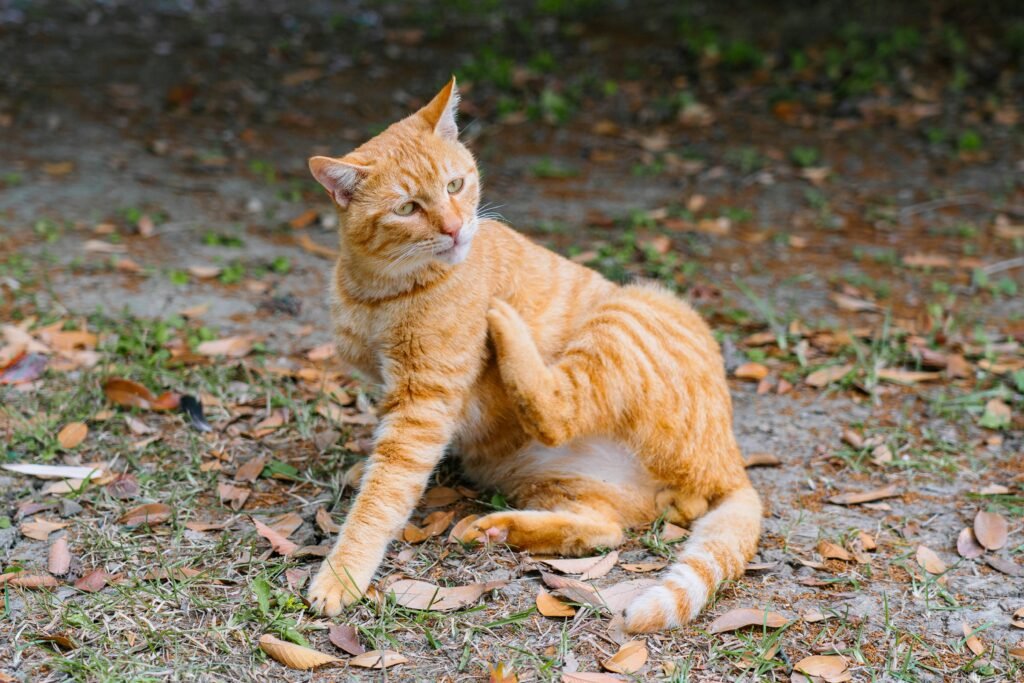
Watching your cat constantly scratch, bite at their skin, or develop red, inflamed patches is heartbreaking for any pet parent. Skin allergies affect millions of cats, causing discomfort that can escalate into secondary infections if left untreated. Finding the best cat skin allergy treatment in 2026 requires understanding your feline’s specific needs and choosing from proven, veterinary-approved options that actually deliver results.
We’ve researched the most effective treatments available this year, focusing on products that address different types of skin allergies through various approaches. Whether your cat needs topical relief for existing wounds, internal support for overall skin health, or a gentle natural alternative, the right treatment can transform your pet’s comfort and quality of life.
Understanding Cat Skin Allergies Before Choosing Treatment
Before selecting a treatment, it’s crucial to understand what’s causing your cat’s skin irritation. The three most common types of feline skin allergies each respond better to specific treatment approaches:
Food allergies typically manifest as itchy skin around the head, neck, and ears, often accompanied by digestive issues. These require dietary changes alongside topical treatments to address existing skin damage.
Environmental allergies (atopic dermatitis) result from airborne allergens like pollen, dust mites, or mold. Cats with these allergies often scratch seasonally or year-round, developing hot spots and hair loss from constant irritation.
Contact allergies occur when your cat’s skin directly touches an irritating substance, such as certain fabrics, cleaning products, or plants. These typically create localized reactions that respond well to topical treatments.
Many cats suffer from multiple allergy types simultaneously, which is why comprehensive treatments that work both internally and externally often prove most effective. The key is identifying whether your cat needs immediate relief for damaged skin, long-term immune system support, or both.
Our Top 3 Best Cat Skin Allergy Treatments for 2026
After evaluating available treatments based on effectiveness, safety, and value, we’ve identified three standout options that address different aspects of feline skin allergies. Each product takes a distinct approach, making them suitable for different cats and allergy types.
Best Overall: Seaflex Joint, Skin & Vitality Health Supplement
The Seaflex Joint, Skin & Vitality Health Supplement For Cats 100gm 1 Pack represents a comprehensive approach to managing skin allergies from within. This 100-gram supplement addresses multiple aspects of feline health simultaneously, making it particularly valuable for cats whose skin issues stem from broader health concerns.
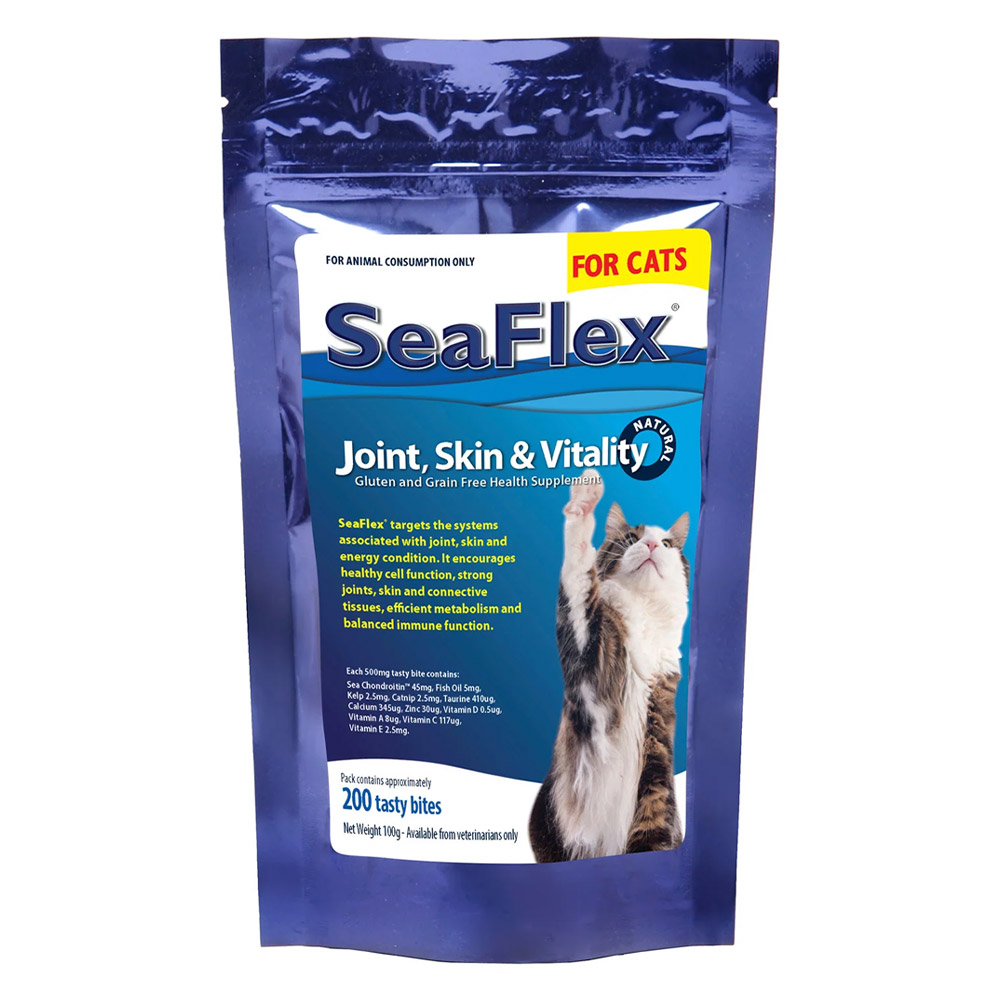
What sets this supplement apart is its holistic approach to skin health. Rather than simply treating symptoms, it works to strengthen your cat’s overall immune system and inflammatory response. The supplement combines ingredients that support skin barrier function while promoting healthy coat growth and reducing systemic inflammation that often underlies chronic skin conditions.
This supplement offers good value considering its multi-system benefits. Many cat owners report seeing improvements not only in their pet’s skin condition but also in energy levels and overall wellbeing within 4-6 weeks of consistent use.
Best for: Cats with chronic skin allergies, older cats with multiple health concerns, or pets whose skin issues coincide with joint stiffness or low energy. This supplement works particularly well for environmental allergies and atopic dermatitis.
Pros:
- Addresses multiple health systems simultaneously
- Supports long-term skin health rather than just masking symptoms
- Powder form mixes easily with food
- Good value for a 100-gram supply
- May improve joint health and energy levels as additional benefits
Cons:
- Takes several weeks to show full effects
- Won’t provide immediate relief for acute skin irritation
- Some cats may be picky about the taste when mixed with food
- Results may vary based on underlying allergy causes
Best for Wound Care: Dermaclens Cats 100 Gm
When your cat has already developed open wounds, hot spots, or severely irritated skin from constant scratching, topical treatment becomes essential. Dermaclens Cats 100 Gm provides professional-grade wound care specifically formulated for feline skin, addressing both existing damage and preventing secondary bacterial infections.
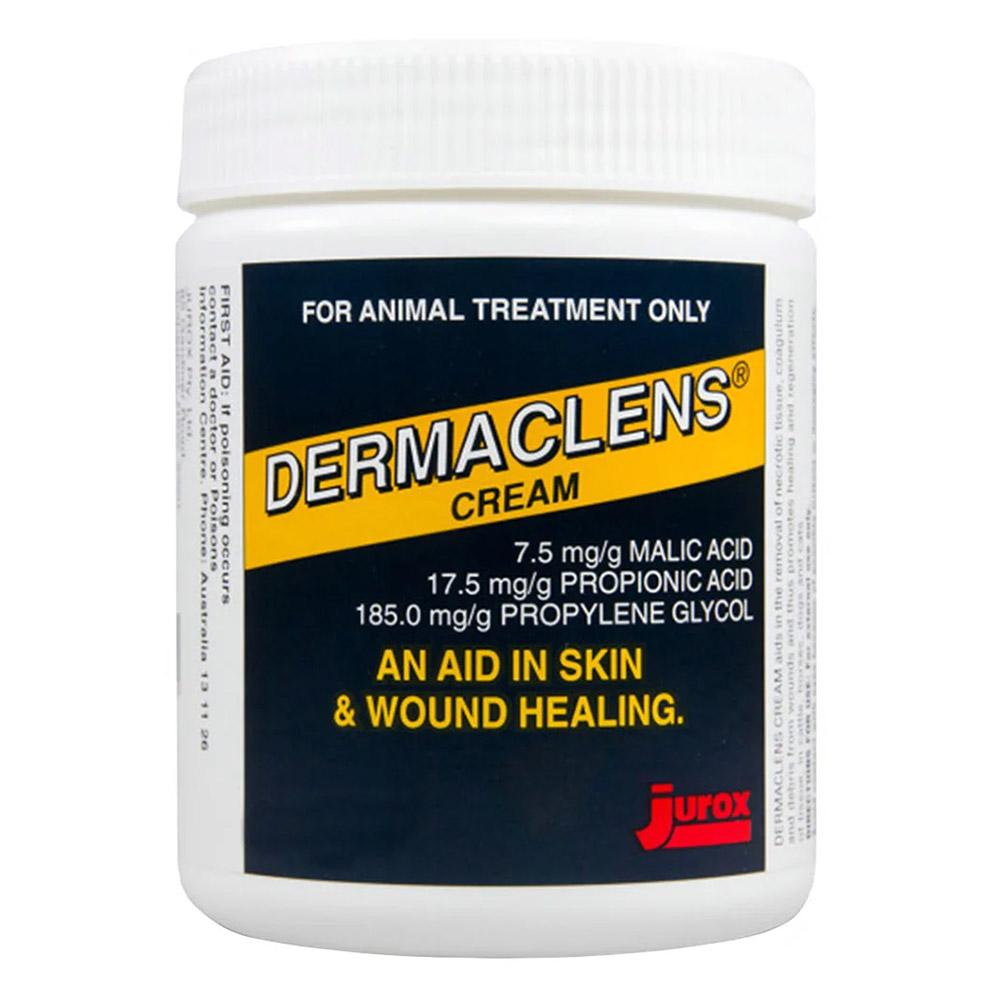
This topical solution works by creating an optimal healing environment while gently cleansing affected areas. Unlike harsh antiseptics that can further irritate sensitive feline skin, Dermaclens uses a balanced approach that promotes healing without causing additional discomfort during application.
The 100-gram size provides excellent coverage for treating multiple areas or managing ongoing skin conditions. This professional-grade formulation often proves more effective than over-the-counter alternatives for severe skin damage.
Best for: Cats with open wounds from scratching, hot spots, bacterial skin infections, or acute allergic reactions causing visible skin damage. This product excels when immediate topical intervention is needed.
Pros:
- Professional veterinary-grade formulation
- Fast-acting relief for existing skin wounds
- Gentle enough for sensitive feline skin
- Helps prevent secondary bacterial infections
- Large 100-gram size for extended treatment
Cons:
- Only treats surface symptoms, not underlying allergies
- Some cats resist topical applications
- May require multiple applications daily
- Won’t prevent future allergic reactions
Best Natural Option: Ecovet Eco-Allergy Liquid
For cat owners seeking a gentler, homeopathic approach to managing skin allergies, Ecovet Eco – Allergy Liquid 50 Ml offers a natural alternative to conventional medications. This 50ml liquid formulation takes a different therapeutic approach, working with your cat’s natural healing processes rather than suppressing symptoms.
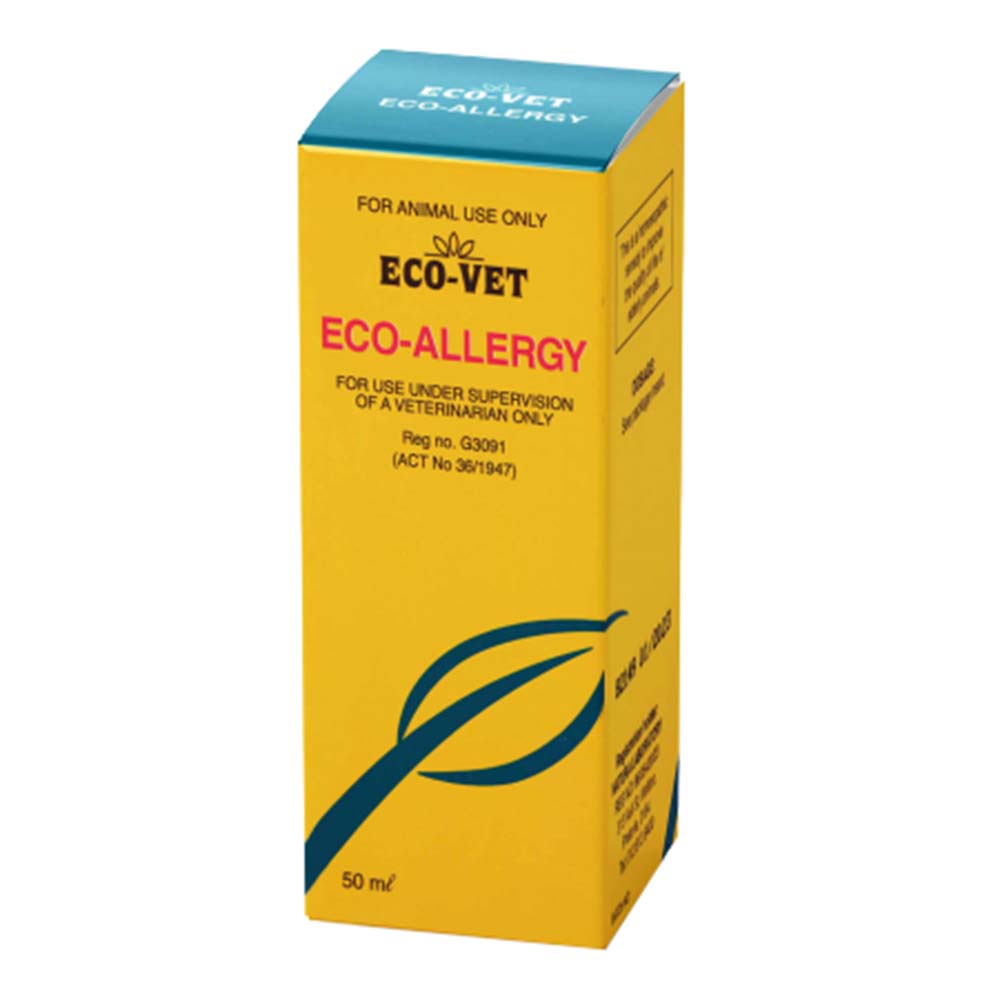
The homeopathic approach appeals particularly to cats who have shown sensitivity to traditional medications or whose owners prefer natural treatment options. The liquid format allows for precise dosing and easy administration, either directly or mixed with food or water.
This treatment offers a middle-ground option between the comprehensive supplement approach and intensive topical care. While homeopathic treatments typically require patience, many cat owners appreciate having a gentle option that won’t interfere with other medications or cause harsh side effects.
Best for: Cats with mild to moderate skin allergies, pets sensitive to conventional medications, or as a complementary treatment alongside other therapies. This option works well for cats whose skin issues are stress-related or seasonal.
Pros:
- Natural, gentle homeopathic approach
- Liquid format for easy administration
- No harsh side effects or drug interactions
- Can be used alongside other treatments
- Suitable for long-term use
Cons:
- Effects may take longer to become apparent
- Homeopathic effectiveness varies between cats
- Smaller 50ml size may require frequent reordering
- May not be sufficient for severe allergic reactions
- Limited scientific evidence for homeopathic treatments
Treatment Comparison: Which Product is Right for Your Cat?
Choosing between these three treatments depends heavily on your cat’s specific symptoms, allergy severity, and your treatment preferences. This detailed comparison helps you match the right product to your situation:
| Product Name | Treatment Type | Best For | Application Method | Key Benefits |
|---|---|---|---|---|
| Seaflex Joint, Skin & Vitality | Internal Supplement | Chronic allergies, multi-system support | Powder mixed with food | Comprehensive health support, long-term results |
| Dermaclens Cats | Topical Treatment | Acute wounds, hot spots | Direct topical application | Fast-acting, professional-grade, wound care |
| Ecovet Eco-Allergy Liquid | Homeopathic Liquid | Mild allergies, sensitive cats | Oral drops or mixed with food | Natural approach, gentle, no side effects |
For cats with severe, ongoing skin allergies, combining approaches often yields the best results. You might use Dermaclens for immediate relief of damaged skin while starting Seaflex for long-term immune support. The Ecovet liquid can complement either treatment for cats who respond well to homeopathic support.
How to Choose the Right Skin Allergy Treatment
Selecting the most effective treatment requires honest assessment of your cat’s condition and your treatment goals. Consider these key factors when making your decision:
Symptom Severity Assessment: Cats with open wounds, constant scratching, or visible skin damage need immediate topical care like Dermaclens. Mild irritation or seasonal flare-ups may respond well to the gentler Ecovet approach, while chronic conditions often benefit from the comprehensive Seaflex supplement.
Treatment Timeline Expectations: If you need quick relief for an acute flare-up, topical treatments work fastest. Internal supplements and homeopathic remedies require patience—expect 4-8 weeks for full benefits to emerge.
Your Cat’s Tolerance: Some cats strongly resist topical applications, making oral supplements or liquids more practical. Others do better with external treatments that don’t affect their food or require daily oral medication.
Budget Considerations: While the Seaflex supplement offers good value for comprehensive care, cats needing multiple treatment types may require larger initial investments. Factor in how long each product lasts with regular use.
The most effective treatment addresses both immediate symptoms and underlying causes—many successful treatment plans combine topical relief with internal support for optimal results.
When to Consult Your Veterinarian: Seek professional guidance if your cat shows signs of secondary infection (fever, lethargy, pussy discharge), if symptoms worsen despite treatment, or if you notice sudden severe reactions. Veterinarians can also help identify specific allergens through testing, making treatment selection more targeted.
Application Tips for Maximum Effectiveness
Proper application significantly impacts treatment success. These practical tips help you get the best results from whichever product you choose:
Supplement Administration (Seaflex): Mix the powder thoroughly with wet food rather than dry kibble for better absorption. If your cat is finicky, start with a smaller amount and gradually increase to the full dose over 3-4 days. Consistency matters more than perfect timing—aim for the same time daily but don’t stress about occasional variations.
Topical Treatment Application (Dermaclens): Clean the affected area gently with warm water before application. Apply the product using clean hands or a cotton pad, working from the center of the irritated area outward. Allow the treatment to air dry completely before allowing your cat to groom the area. Most cats need applications 2-3 times daily during acute flare-ups.
Liquid Medicine Delivery (Ecovet): This homeopathic liquid can be administered directly into your cat’s mouth using the dropper, but many cats accept it better when mixed into a small amount of wet food or added to fresh water. The key is ensuring your cat consumes the full dose rather than fighting over direct administration.
Environmental Support Measures: Regardless of which treatment you choose, reduce allergen exposure by maintaining clean bedding, using hypoallergenic litters, and regular vacuuming. Air purifiers can help cats with environmental allergies, while eliminating suspected food triggers supports internal treatments.
Monitoring Progress: Keep a simple journal noting symptom severity, treatment applications, and any improvements or setbacks. Photos can help track healing progress objectively. Most treatments require 2-4 weeks of consistent use before showing significant improvement.
Frequently Asked Questions
What’s the fastest-acting cat skin allergy treatment?
Topical treatments like Dermaclens typically provide the fastest relief for existing skin damage, often showing improvement within 24-48 hours. However, they only address surface symptoms. For overall fastest improvement combining immediate topical relief with internal support gives the best results.
Can I use multiple allergy treatments together safely?
Yes, combining different treatment approaches is often more effective than using single products alone. The Seaflex supplement works well with either topical or homeopathic treatments since it addresses different aspects of the condition. Always introduce new treatments gradually and monitor your cat for any adverse reactions.
How long does it take to see results from skin allergy treatments?
Topical treatments show improvement fastest (1-3 days), while internal supplements typically require 4-6 weeks for full benefits. Homeopathic treatments fall somewhere between, with many cats showing gradual improvement over 2-4 weeks. Consistency is crucial—sporadic treatment rarely produces lasting results.
Are natural allergy treatments as effective as medicated ones?
Natural treatments like the Ecovet homeopathic liquid work well for mild to moderate allergies and cats sensitive to conventional medications. However, severe allergic reactions or secondary infections often require more aggressive intervention. Natural treatments excel as preventive measures or complementary therapies.
When should I see a vet instead of trying over-the-counter treatments?
Consult your veterinarian immediately if you notice fever, lethargy, spreading infection, or if your cat stops eating due to discomfort. Also seek professional help if symptoms worsen after 1-2 weeks of consistent treatment, or if you suspect your cat has ingested something toxic that’s causing the skin reaction.
Making the Right Choice for Your Cat’s Skin Health
Finding the best cat skin allergy treatment in 2026 ultimately depends on matching the right therapeutic approach to your cat’s specific needs and symptom severity. The Seaflex Joint, Skin & Vitality Health Supplement offers the most comprehensive approach for cats with chronic conditions, working from within to address underlying inflammatory processes while supporting overall health.
For cats with immediate skin damage requiring professional-grade care, Dermaclens Cats provides fast-acting topical relief that addresses wounds and prevents secondary infections. Meanwhile, the Ecovet Eco-Allergy Liquid serves cats and owners preferring natural treatment approaches or needing complementary therapy alongside conventional treatments.
Remember that successful allergy management often requires patience and consistency. While it’s tempting to expect immediate results, the most effective treatments work gradually to restore your cat’s skin barrier function and reduce overall inflammatory responses. Many cats benefit from combination approaches that address both immediate symptoms and long-term health support.
The key to success lies in realistic expectations, consistent application, and willingness to adjust your approach based on your cat’s response. With the right treatment plan, most cats with skin allergies can achieve significant improvement in comfort and quality of life.