
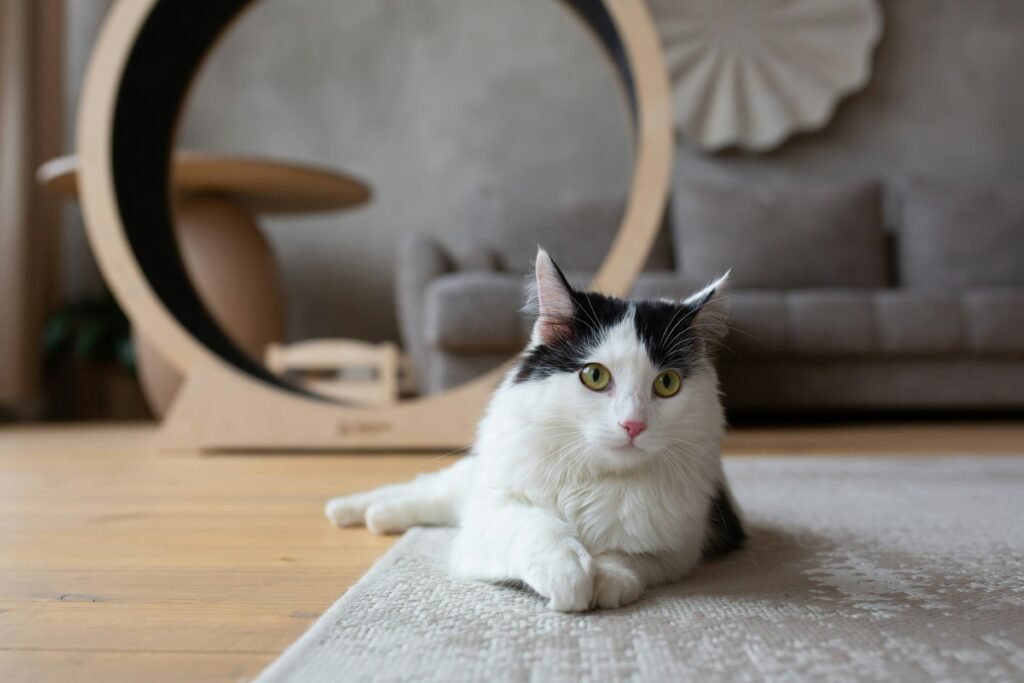
Indoor cats face a growing health crisis in 2026: obesity rates have climbed to nearly 60% among house cats, largely due to sedentary lifestyles and overfeeding. While traditional cat toys offer brief entertainment, many cat owners are turning to exercise wheels as a solution for providing consistent, high-intensity exercise. But with prices ranging from $130 to nearly $200, the question isn’t just whether your cat will use it—it’s whether a cat exercise wheel worth buying 2026 actually exists. We’ve analyzed the current market to help you separate genuine exercise solutions from expensive furniture that becomes nothing more than a costly cat bed.
What Makes a Cat Exercise Wheel Worth Buying in 2026
The cat exercise wheel market has evolved significantly, but not all wheels deliver on their promises. After reviewing available models and owner feedback, we’ve identified five critical features that separate effective exercise wheels from decorative dust collectors.
Size and Weight Capacity Considerations
The most crucial factor in wheel effectiveness is diameter. Wheels under 44 inches force cats into an unnatural running posture, leading to back strain and quick abandonment. The sweet spot for most domestic cats is 46-48 inches, allowing natural gait mechanics even for larger breeds like Maine Coons.
Weight capacity matters more than marketing suggests. While most wheels claim to support 20-25 pounds, the real test is dynamic stability during high-speed running. Wheels that wobble or shift under motion quickly teach cats to avoid them entirely.
Safety Features That Actually Matter
Open-sided designs consistently outperform enclosed wheels in real-world use. Cats need clear escape routes and peripheral vision while running—enclosed designs trigger claustrophobia in many cats. Additionally, the running surface must provide adequate grip without being abrasive to paw pads.
Side barrier height is critical for preventing falls during high-speed runs. Barriers should be 4-6 inches high—tall enough to prevent slipping off sideways, but low enough that cats don’t feel trapped.
Noise Levels and Construction Quality
Nothing kills exercise wheel adoption faster than noise complaints from neighbors or family members. Quality bearings and proper weight distribution are essential for quiet operation. Wheels that create clicking, grinding, or thumping sounds during use typically see abandonment within weeks.
Construction quality directly impacts longevity and safety. Look for powder-coated steel frames over plastic alternatives, and sealed bearing systems that won’t require constant maintenance or replacement.
Best Cat Exercise Wheels 2026: Our Top Picks
Based on our analysis of current market options, construction quality, and real owner experiences, these two wheels represent the best value in different price categories for 2026.
Best Overall: One Fast Cat Exercise Wheel Gen 7
The One Fast Cat Exercise Wheel Gen 7 represents the current pinnacle of cat exercise wheel design. At around $189, it’s positioned as a premium option, but the construction quality and engineering justify the investment for serious cat owners.
This wheel features a robust steel frame with precision ball bearings that deliver whisper-quiet operation even during intense running sessions. The running surface uses a specialized EVA foam that provides excellent grip while remaining gentle on paw pads. The 25-pound weight capacity accommodates even large breed cats without structural flex or wobbling.
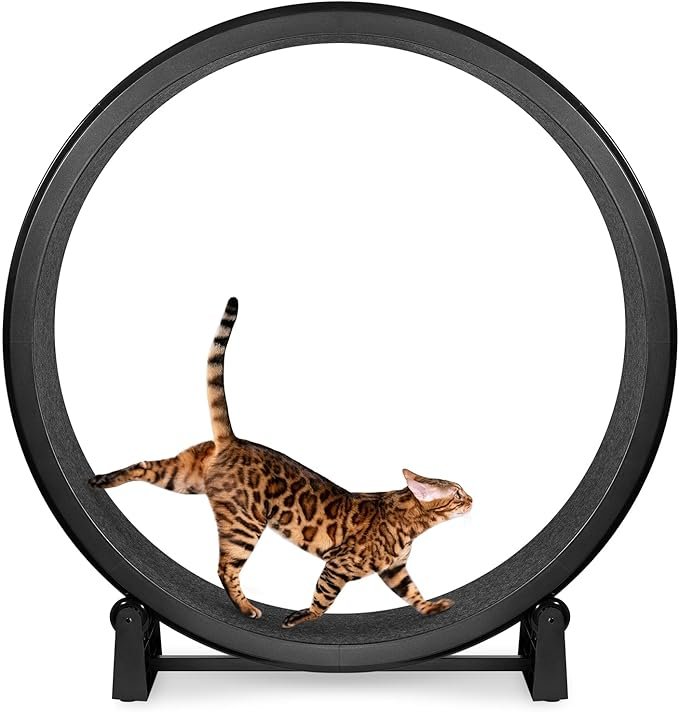
The Gen 7 model incorporates several improvements over previous versions, including enhanced side barriers and a more stable base design. Assembly typically takes 60-90 minutes with clear instructions, and the wheel maintains its smooth operation even after months of regular use.
Where this wheel excels is in long-term durability and noise control. Many owners report their cats using it regularly for over a year without any mechanical issues or noise development. The investment pays off for households with high-energy cats or multiple cats who need consistent exercise options.
Best Value: Homegroove Cat Exercise Wheel 46 inch XL
For cat owners seeking exercise wheel benefits without premium pricing, the Homegroove Cat Exercise Wheel 46 inch XL offers solid construction at around $130. This wheel demonstrates that effective cat exercise doesn’t require breaking the bank.
The 46-inch running surface provides adequate space for natural running mechanics in most domestic cats. While the construction uses lighter materials than premium options, the engineering is sound and the wheel maintains stability during use. The bearing system, while not as refined as higher-end models, provides acceptably quiet operation for most households.
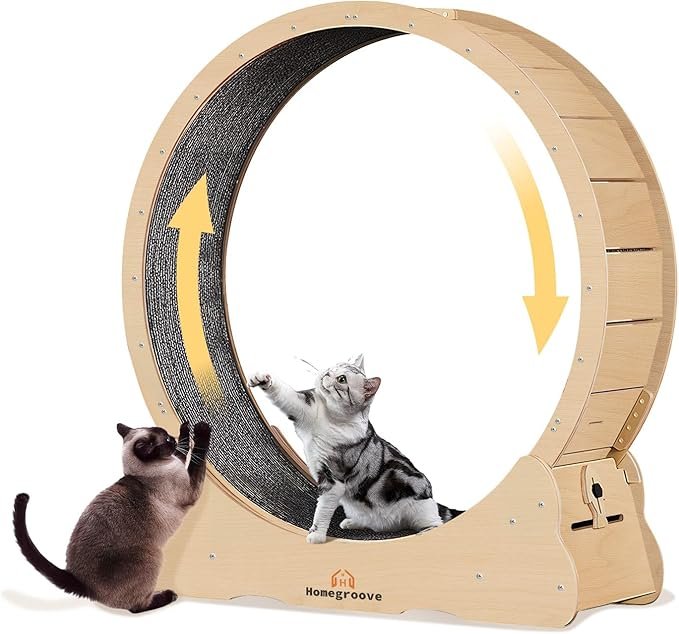
Assembly is straightforward, typically completed in under an hour with basic tools. The wheel includes clear instructions and all necessary hardware. While it may not offer the same longevity as premium options, it provides excellent value for testing whether your cat will adopt wheel exercise without major financial commitment.
This wheel works particularly well for younger cats or households wanting to try exercise wheel training before upgrading to premium models. The price point makes it accessible for more cat owners, potentially helping more indoor cats achieve better fitness levels.
Cat Exercise Wheel Comparison Table
| Product Name | Price Range | Diameter | Weight Limit | Noise Level | Assembly Time |
|---|---|---|---|---|---|
| One Fast Cat Exercise Wheel Gen 7 | ~$189 | 48 inches | 25 lbs | Ultra-quiet | 60-90 minutes |
| Homegroove Cat Exercise Wheel 46 inch XL | ~$130 | 46 inches | 20 lbs | Low noise | 45-60 minutes |
How to Introduce Your Cat to an Exercise Wheel
Even the best exercise wheel is worthless if your cat won’t use it. Successful wheel training requires patience, consistency, and understanding of cat psychology. Most cats need 2-4 weeks to develop comfortable wheel habits, and rushing the process often leads to permanent avoidance.
Week 1: Getting Your Cat Comfortable
Start by placing the stationary wheel in your cat’s favorite room without encouraging interaction. Allow natural curiosity to develop over several days. Many cats will investigate, sniff, and potentially step onto the wheel during this period.
- Place treats on and around the wheel to create positive associations
- Never force or place your cat on the wheel
- Reward any voluntary interaction with treats or praise
- Keep sessions short—5-10 minutes maximum
Some cats show immediate interest, while others may take several days to approach the wheel. Respect your cat’s timeline and avoid creating negative associations through pressure or forced interaction.
Weeks 2-4: Building the Running Habit
Once your cat steps onto the wheel voluntarily, you can begin encouraging movement. Use interactive toys to entice your cat to walk forward on the wheel, allowing natural momentum to create the running motion.
- Use feather wands or laser pointers to encourage forward movement
- Start with short 30-second sessions and gradually increase duration
- Always end sessions on a positive note with treats and praise
- Practice daily during your cat’s most active periods
Most cats begin running naturally once they experience the wheel’s momentum. The key is creating positive associations with the motion rather than treating it as forced exercise.
When Cat Exercise Wheels Aren’t Worth It
Despite marketing claims, exercise wheels don’t work for every cat or situation. Understanding these limitations helps set realistic expectations and avoid disappointment.
Senior cats with arthritis or joint issues may find wheel running uncomfortable or impossible. The repetitive motion can exacerbate existing joint problems, making traditional low-impact play more appropriate.
Extremely overweight cats often lack the motivation and physical ability to use wheels effectively. Weight loss through diet management and gentle play typically needs to occur before wheel training becomes viable.
Fearful or anxiety-prone cats may never adapt to wheel exercise. The size and movement of the wheel can trigger stress responses that make training counterproductive. These cats often benefit more from hiding spots and vertical climbing opportunities.
Space constraints also limit wheel effectiveness. Wheels require 6-8 feet of clearance in all directions for safe operation. Cramped placements often lead to reduced use and increased accident risk.
Frequently Asked Questions
Do cat exercise wheels actually work for lazy cats?
Exercise wheels work best for cats with existing energy levels who lack outlets for expression. Truly sedentary cats often need motivation building through interactive play before wheel training becomes effective. Success rates improve significantly when wheel training accompanies increased overall activity rather than serving as the sole exercise solution.
How much space do you need for a cat exercise wheel?
Plan for at least 6 feet of clearance in all directions around the wheel. This accounts for the wheel’s footprint plus safe approach and exit zones. Ceiling height should be at least 8 feet to accommodate the wheel’s vertical profile and allow for comfortable human movement around it.
Are cat exercise wheels worth it for senior cats?
Exercise wheels generally aren’t recommended for cats over 8-10 years old unless they’re already active and show no signs of joint issues. Senior cats benefit more from gentle interactive play, climbing opportunities, and mental stimulation activities that don’t stress aging joints.
Do cat exercise wheels make noise at night?
Quality wheels with proper bearings operate nearly silently, but cat activity patterns matter more than wheel noise. Many cats prefer exercising during dawn and dusk periods, which may coincide with human sleep schedules. Consider placement away from bedrooms if your cat is naturally active during nighttime hours.
Can multiple cats share one exercise wheel?
While physically possible, most cats prefer individual access to exercise equipment. Dominant cats may monopolize the wheel, preventing others from using it. Households with multiple active cats often find better success with separate wheels or alternating access schedules.
Final Verdict: Is a Cat Exercise Wheel Worth Buying in 2026?
The question of whether a cat exercise wheel worth buying 2026 depends heavily on your specific situation and cat’s personality. For high-energy indoor cats lacking adequate exercise outlets, quality wheels can provide significant health and behavioral benefits. However, they’re not universal solutions and require commitment to training and proper introduction.
Our recommendation is the One Fast Cat Exercise Wheel Gen 7 for households committed to long-term use and willing to invest in quality construction. The superior engineering and quiet operation justify the premium price for cats who will use it regularly.
For cat owners wanting to test wheel exercise without major financial commitment, the Homegroove Cat Exercise Wheel 46 inch XL offers solid value and functionality. While not as refined as premium options, it provides an accessible entry point for wheel training.
Skip exercise wheels entirely if your cat is over 8 years old, significantly overweight, or shows anxiety around new objects. These cats benefit more from traditional interactive play, climbing structures, or puzzle feeders that provide mental and physical stimulation without the learning curve of wheel training.
The key to success lies in realistic expectations and proper training techniques. Exercise wheels can dramatically improve indoor cat fitness and reduce destructive behaviors, but only when matched to appropriate cats and implemented with patience and consistency.