
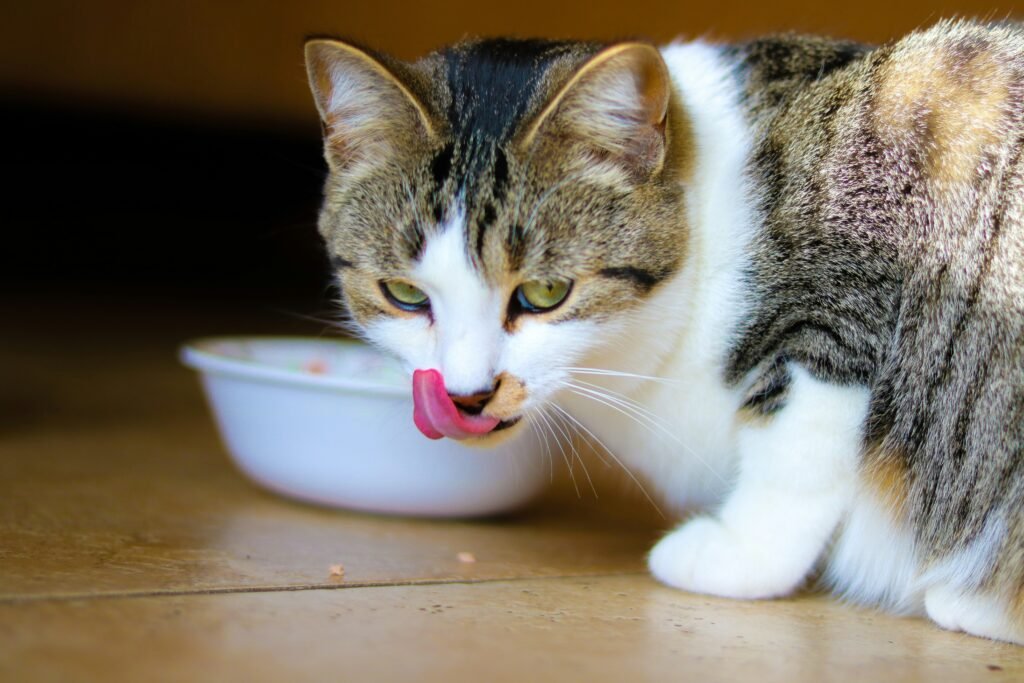
Indoor cats face a unique challenge that outdoor cats never encounter: wet food sits in climate-controlled homes for hours, reaching unsafe temperatures while your cat grazes throughout the day. Unlike their outdoor counterparts who supplement with natural hunting, indoor cats depend entirely on what we serve them — making food safety and storage crucial.
The biggest problem isn’t finding quality wet food; it’s keeping it fresh and safe in your home environment. Most indoor cats eat slowly, leaving wet food exposed to room temperature bacteria growth. Traditional feeding methods fail when wet food needs to stay fresh for 6-8 hours while you’re at work.
We’ve researched practical solutions for the best wet cat food for indoor cats 2026 that address both nutrition and safety concerns. This isn’t about marketing claims — it’s about real-world temperature control, storage systems, and formulas designed for less active indoor lifestyles. From smart feeding technology to simple storage solutions, we’ll show you what actually works for keeping wet food safe all day long.
Why Indoor Cats Need Different Wet Food Approaches
Indoor cats have fundamentally different nutritional and practical needs compared to outdoor cats. Their sedentary lifestyle means they burn fewer calories, requiring smaller portions and controlled feeding schedules to prevent obesity. More critically, indoor cats rely entirely on their owners for food safety — there’s no instinct to avoid spoiled food like outdoor cats develop.
Temperature safety becomes the primary concern. Wet cat food should never sit at room temperature (70-75°F in most homes) for more than 2-3 hours. Bacteria multiply rapidly in the “danger zone” between 40-140°F, and most wet food reaches room temperature within 30-45 minutes of serving. For cats who graze throughout the day, this creates a serious food safety problem.
Indoor cats also tend to under-hydrate since they lack access to natural water sources. Quality wet food provides essential moisture, but only if it stays fresh enough for cats to consume throughout the day. Spoiled wet food that cats refuse defeats the hydration purpose entirely.
Best Solutions for the Best Wet Cat Food for Indoor Cats 2026
Best Overall: Tiki Cat After Dark Variety Pack
When it comes to wet food formulated for indoor cats, Tiki Cat After Dark addresses the core issues: high protein content for less active cats, appropriate portion sizes, and multiple flavors to prevent boredom. The variety pack approach works particularly well for indoor cats who can become finicky when fed the same flavor repeatedly.


Each can provides controlled portions perfect for indoor cats’ lower caloric needs. The high moisture content helps address hydration concerns common in house cats, while the protein-focused formula supports muscle maintenance despite reduced activity levels. The variety pack prevents flavor fatigue that indoor cats often develop when eating the same food daily.
The downside is cost — premium wet food adds up quickly for daily feeding. However, the appropriate portion sizes and nutritional density often mean you’re feeding less volume than with lower-quality alternatives, somewhat offsetting the higher per-can price.
Best Smart Feeder: Polar Smart Wet Food Feeder
For indoor cats who graze throughout the day, temperature control becomes essential. The Polar Smart Wet Food Feeder addresses this challenge with active cooling technology, though it requires realistic expectations about performance and maintenance.
The unit cools food below room temperature, which slows bacterial growth significantly compared to standard storage. However, this isn’t refrigerator-cold, so food safety windows extend to several hours rather than all-day feeding. The smart connectivity allows monitoring and scheduling, useful for maintaining consistent feeding routines.
Daily maintenance involves cleaning after each use and ensuring continuous power connection. The cooling system requires consistent electricity, making it impractical during power outages. Setup involves app pairing and initial programming, which some users find complex. The investment makes sense for households where cats regularly graze wet food over extended periods.
Best Veterinary Formula: Royal Canin Indoor Adult Morsels
Royal Canin specifically formulates this wet food for indoor cats’ unique nutritional requirements. The morsels-in-gravy format provides texture variety while addressing common indoor cat health concerns like hairball formation and digestive sensitivity.

The formula includes modified calorie density for less active cats and added fiber to support healthy digestion. Each serving size accounts for indoor cats’ reduced energy expenditure, helping prevent overfeeding that leads to obesity. The gravy component adds moisture without excess calories.
Cost per serving runs higher than generic wet foods, but the veterinary formulation targets specific indoor cat needs. Portion control becomes easier with consistent sizing, though some cats may find the texture less appealing than pâté-style foods. The prescription-style approach works best for cats with diagnosed indoor-related health issues.
Best Food Storage: Food Desiccant Bag
For budget-conscious households managing wet food freshness, desiccant bags offer a simple solution for extending shelf life after opening. These moisture-absorbing packets work particularly well for partially used cans or pouches that need storage between meals.

Place desiccant bags in storage containers with opened wet food to reduce moisture levels that promote bacterial growth. This extends safe storage time in refrigerated conditions from 2-3 days to 4-5 days for opened containers. The reusable design makes them cost-effective for households feeding multiple cats or using large-format wet food containers.
Desiccants don’t address temperature control for food left at room temperature — they’re purely for refrigerated storage extension. Proper placement away from direct food contact is essential for safety. The simple solution works best combined with other storage methods rather than as a standalone freshness system.
Best Dual Feeding: Granary Dual Food Tray
Indoor cats often benefit from combination wet and dry food feeding, providing texture variety while managing costs and convenience. The Granary Dual Food Tray facilitates this approach with separate compartments designed for different food types.
The separated design prevents wet food from contaminating dry kibble while allowing cats to alternate between textures during meals. Portion control becomes easier with defined compartment sizes, helping prevent overfeeding common in free-choice feeding setups. Easy-clean surfaces reduce maintenance time for busy households.
Neither compartment provides temperature control, so wet food safety windows remain standard (2-3 hours at room temperature). The dual approach works best for cats who eat meals within normal timeframes rather than extended grazing. Setup requires floor space for the larger dual format compared to single bowl feeding.
Temperature Safety Reality Check
Smart feeders with cooling capabilities sound impressive, but understanding their real-world performance prevents unrealistic expectations. Cooling systems slow bacterial growth but don’t eliminate it. This extends safe feeding windows from 2-3 hours to approximately 6-8 hours — not all-day feeding.
Food safety guidelines for pet food mirror human food standards: wet food should not remain in the “danger zone” (40-140°F) for extended periods. Room temperature feeding exceeds safe limits after 3 hours maximum, regardless of food quality. Cooling systems extend this window but don’t eliminate time limits entirely.
For households without smart feeders, ice pack rotation provides temporary cooling. Place sealed wet food containers on ice packs, rotating fresh packs every 4-6 hours. This requires freezer space for multiple ice packs and consistent schedule adherence. The manual approach works for short-term solutions but becomes impractical for daily long-term feeding.
Realistic timeline for wet food discard: room temperature food should be removed after 2-3 hours, refrigerated opened containers last 3-5 days, and frozen wet food maintains quality for 2-3 months. These timelines prioritize safety over convenience, but preventing foodborne illness outweighs the inconvenience of more frequent feeding.
Indoor Cat Nutrition Essentials
Indoor cats typically require fewer calories than outdoor cats due to reduced activity levels. A 10-pound indoor cat needs approximately 250-300 calories daily, compared to higher amounts for an active outdoor cat. This difference significantly impacts wet food portion sizing and feeding frequency.
Moisture requirements become more critical for indoor cats who often under-hydrate. Wet food should provide 75-85% moisture content, contributing significantly to daily water intake. Indoor cats drinking only from bowls may not consume adequate water, making wet food moisture content essential for kidney and urinary health.
Protein priorities focus on maintaining muscle mass despite lower activity levels. Look for wet foods with named meat as the first ingredient and minimum 10-12% crude protein on a wet basis. Avoid foods with excessive fillers like corn, wheat, or by-product meals that provide empty calories without nutritional density.
Portion sizing prevents overfeeding that commonly leads to indoor cat obesity. A typical 5.5-ounce wet food can provides 150-200 calories, often representing a significant portion of an indoor cat’s daily caloric needs. Supplementing with measured dry food portions completes nutritional requirements without excess calories.
Quick Comparison Table
| Product Name | Best For | Key Feature | Maintenance Level | Temperature Control |
|---|---|---|---|---|
| Tiki Cat After Dark Variety Pack | Quality nutrition | High protein formula | None | None |
| Polar Smart Wet Food Feeder | Extended feeding | Cooling system | Daily cleaning | Active cooling |
| Royal Canin Indoor Adult | Veterinary formula | Indoor-specific | None | None |
| Food Desiccant Bag | Storage extension | Moisture absorption | Minimal | Refrigeration only |
| Granary Dual Food Tray | Wet/dry combination | Separated compartments | Regular washing | None |
Real Owner Challenges & Solutions
Ice pack maintenance reality hits households attempting manual cooling systems. Effective ice packs maintain cooling for 4-6 hours maximum, requiring rotation schedules that few busy owners maintain consistently. Freezer space becomes a limiting factor when storing multiple ice packs for continuous rotation.
Programming difficulties plague smart feeder adoption. The Polar Smart Wet Food Feeder requires app setup, Wi-Fi connectivity, and schedule programming that some users find complex. Technical support becomes necessary for households uncomfortable with smart home technology, adding setup time and potential frustration.
Daily cleaning requirements for cooling feeders add maintenance burden that busy households underestimate. Wet food residue requires thorough cleaning after each use to prevent bacterial growth in the cooling system. Skipping daily cleaning defeats the food safety purpose of temperature-controlled feeding.
Power dependency issues affect electronic feeding solutions during outages or equipment failures. Smart feeders become useless without electricity, reverting to standard room-temperature feeding with shortened safety windows. Backup feeding plans become necessary for households relying entirely on electronic solutions.
Frequently Asked Questions
How long can wet cat food sit out for indoor cats?
Wet cat food should not sit at room temperature for more than 2-3 hours maximum. Indoor home temperatures (70-75°F) fall within the bacterial “danger zone” where harmful microorganisms multiply rapidly. After 3 hours, discard the food regardless of appearance or smell, as bacteria may be present without visible signs.
Do indoor cats need special wet food formulas?
Indoor cats benefit from formulas with reduced calorie density and higher fiber content to address their sedentary lifestyle. They require fewer calories than outdoor cats but need higher moisture content since they often under-hydrate. Indoor-specific formulas also typically include hairball control ingredients due to increased grooming time.
Are automatic wet food feeders worth it for indoor cats?
Automatic wet food feeders with cooling provide value for households where cats graze throughout the day, extending safe feeding windows from 3 hours to 6-8 hours. However, they require daily cleaning, consistent power, and significant upfront investment. The investment makes sense if your cat regularly leaves wet food uneaten for extended periods.
What temperature should wet cat food be stored at?
Unopened wet cat food should be stored at room temperature in a cool, dry place. Once opened, wet food must be refrigerated at 36-38°F and used within 3-5 days. Frozen wet food maintains quality for 2-3 months but should be thawed in the refrigerator, never at room temperature.
How much wet food should indoor cats eat daily?
Indoor cats typically need 250-300 calories daily for a 10-pound cat, with wet food providing 60-80% of total calories. This equals approximately one 5.5-ounce can of wet food plus measured dry food portions. Calculate daily calories by your cat’s current weight in pounds, then multiply by 20-25 calories per pound for indoor cats.
Our Verdict: Best Wet Food Solutions by Cat Type
Best for busy owners: Polar Smart Wet Food Feeder extends safe feeding windows for cats who eat slowly throughout the day. The cooling system reduces food safety concerns during work hours, though daily cleaning and power dependency require consistent commitment.
Best for budget-conscious: Food Desiccant Bag combined with refrigerated storage extend opened wet food life from 3 to 5 days, reducing waste and cost. Pair with quality wet food portioned into smaller servings for maximum value without sacrificing nutrition.
Best for tech-savvy homes: Polar Smart Wet Food Feeder integrates with smart home systems and provides app monitoring for feeding schedules. Setup requires technical comfort, but the connectivity features appeal to households already using smart pet products.
Best for multiple indoor cats: Granary Dual Food Tray scales feeding for multiple cats while maintaining portion control. The dual-compartment design works well for households with cats having different wet/dry food preferences, though multiple units may be needed for separate feeding areas.
Finding the Best Wet Cat Food for Indoor Cats 2026: Final Recommendations
Indoor cat wet food management requires balancing nutrition, safety, and convenience in ways that outdoor feeding never demands. The best wet cat food for indoor cats 2026 starts with quality formulas designed for less active lifestyles, then adds storage and feeding solutions that maintain safety throughout your daily schedule.
Tiki Cat After Dark Variety Pack provides the nutritional foundation with appropriate portions and indoor-specific formulation. For households where cats graze slowly, adding temperature control through the Polar Smart Wet Food Feeder extends safe feeding windows significantly. Budget-conscious owners can achieve similar results combining quality wet food with simple storage solutions like Food Desiccant Bag and refrigerated portioning.
The reality is that proper wet food feeding for indoor cats requires more planning than outdoor cats ever need. However, the investment in proper nutrition and food safety pays dividends in long-term health, especially for cats who depend entirely on their owners for food quality and safety. Start with premium wet food, then add storage or feeding technology based on your household’s specific needs and schedule demands.