Ceramic Vs Stainless Cat Bowls
Stainless steel is generally the better choice for hygiene, and it comes down to one property: it has no pores. Bacteria need a surface to grab onto, and food-grade stainless steel doesn’t give them one, while ceramic glazes can crack and create hiding spots germs love. Veterinary sources point to stainless steel as the material that resists bacterial biofilm most effectively and survives a hot dishwasher cycle without damage.
Here’s what backs that verdict up:
- Bacterial resistance: Stainless steel’s smooth, non-porous surface doesn’t let bacteria colonize the way a scratched or chipped glaze can.
- Sterilization tolerance: You can run stainless bowls through a high-heat dishwasher cycle or even boiling water; ceramic can’t handle that kind of thermal stress without risking cracks.
- Material safety: Look for stainless labeled 304 or 18/8. Lead-free ceramic exists and works well, but you have to verify that labeling yourself since not every glaze meets food-safe standards.
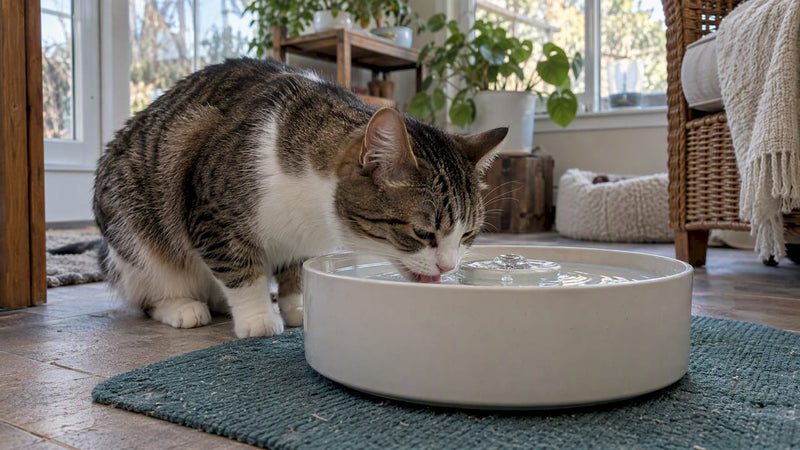
Ceramic still earns its place in some households. If your cat has whisker fatigue from tight, deep bowls, a wide ceramic dish can solve that better than most stainless options on the market. It’s also heavier, so cats who like to bat their bowl across the kitchen floor tend to leave ceramic alone.
Key Takeaways
Stainless steel remains the more hygienic default for most cats because its non-porous surface resists bacteria and tolerates aggressive sanitizing that ceramic glazes cannot handle.
| Point | Details |
|---|---|
| Stainless is the hygiene default | Its non-porous surface resists bacterial biofilm and withstands dishwasher heat better than ceramic. |
| Check the grade or glaze | Look for 304 or 18/8 on stainless, and confirmed lead-free, cadmium-free labeling on ceramic. |
| Clean daily, deep clean weekly | Wash after every meal, then run a full sanitizing cycle at least once a week. |
| Replace at the first sign of damage | Chips, cracks, deep scratches, or persistent film mean it’s time for a new bowl. |
| The Meow Picks vets material claims | Our curated ceramic and steel feeding pieces are selected for clearly stated food-grade and lead-free labeling. |
Table of Contents
- Ceramic vs Stainless Cat Bowls: A Side-by-Side Look
- Why Vets Often Recommend Stainless Steel Bowls
- Is Ceramic Safe for Cat Bowls?
- What Safety Checks Actually Matter for Cat Bowls?
- How Often Should You Clean and Replace Cat Bowls?
- How Bowl Shape and Height Affect Your Cat’s Comfort
- How Do You Choose Between Ceramic and Stainless for Your Cat?
- What Do Veterinarians and Researchers Say About Bowl Materials?
- Our Take on Choosing the Right Bowl Material
- Find Bowls and Feeding Stations Built Around These Safety Checks
- Sources
- FAQ
Ceramic vs Stainless Cat Bowls: A Side-by-Side Look
When you line these two materials up across the factors that actually matter for your cat’s health and your sanity, stainless wins on most counts, but not all of them.
| Category | Stainless Steel | Ceramic |
|---|---|---|
| Hygiene / bacterial resistance | Non-porous, resists biofilm buildup | Can trap bacteria if glaze chips or cracks |
| Durability | Resists rust and dents when food-grade | Prone to chipping, cracking, and glaze crazing |
| Cleanability / dishwasher safety | Fully dishwasher safe, tolerates high heat | Dishwasher safe until glaze shows wear, then risky |
| Chemical safety | Food-grade 304 or 18/8 is inert | Must confirm lead-free, cadmium-free glaze |
| Cat comfort | Can cause whisker stress if narrow, may reflect light | Wide shallow shapes reduce whisker fatigue |
| Cost / availability | Widely available, moderate price range | Wide price range, often pricier for design pieces |
A few trade-offs are worth calling out directly:
- If hygiene is your top priority, stainless steel is the safer daily-use bowl for food and water alike.
- If your cat is sensitive about whisker contact, a wide ceramic bowl often solves the problem better than a deep stainless one.
- If budget matters most, basic stainless bowls tend to cost less than designer ceramic pieces, though both categories span a wide price range.
Pro Tip: If you’re torn, favor stainless for anything that touches wet food or sits out for hours (like water), and reserve ceramic for dry food bowls you can inspect and swap out easily.
Why Vets Often Recommend Stainless Steel Bowls
Stainless steel earns its reputation the boring way: it just doesn’t give bacteria anywhere to live. That’s the whole story on hygiene, and it’s why so many veterinary sources default to recommending it.
What makes stainless steel work in your cat’s favor:
- The surface is non-porous, so daily washing actually removes residue instead of just pushing it around.
- It’s fully dishwasher safe and can handle sanitizing heat that would ruin a glazed surface.
- It resists scratching far better than plastic, which matters because scratches in porous materials can trap bacteria that regular washing won’t reach.
- Most veterinarians consider it the default recommendation for hygiene reasons, especially for households with multiple cats or an immunocompromised cat.
Stainless isn’t flawless, though. Some cats dislike the way their whiskers or reflection show up in a shiny bowl, and a few cats develop what looks like feline acne from contact with lower-grade metal, though this is uncommon with true food-grade stainless. Cheap “pet use only” stainless can also rust or corrode over time, which defeats the entire point of choosing the material.
Before you buy, check the label for:
- “304 stainless steel” or “18/8” printed somewhere on the packaging or product description.
- No vague wording like “stainless alloy” or “pet-grade metal” with no number attached.
- A weight and gauge that feels substantial, not paper-thin, since thin metal dents and can develop weak points faster.
Pro Tip: If a stainless bowl’s product page doesn’t mention a grade number at all, treat that as a red flag. Legitimate food-grade stainless sellers list it because it’s a selling point, not an afterthought.
Is Ceramic Safe for Cat Bowls?
Ceramic can absolutely be safe, but the safety lives entirely in the glaze, not the clay underneath. A well-made, lead-free ceramic bowl is a fine daily-use option. A cheap one with an unverified glaze is a real risk.
Why people still choose ceramic:
- It comes in far more design styles than stainless, which matters if you care about how your kitchen looks.
- The extra weight makes it harder for cats to flip or drag across the floor.
- Wide, shallow ceramic shapes are genuinely good at reducing whisker fatigue.
- Ceramic holds warmth well, which some cats seem to prefer with wet food on cold mornings.
Where ceramic falls short:
- It’s fragile. Drop it once on tile and you’re often buying a replacement.
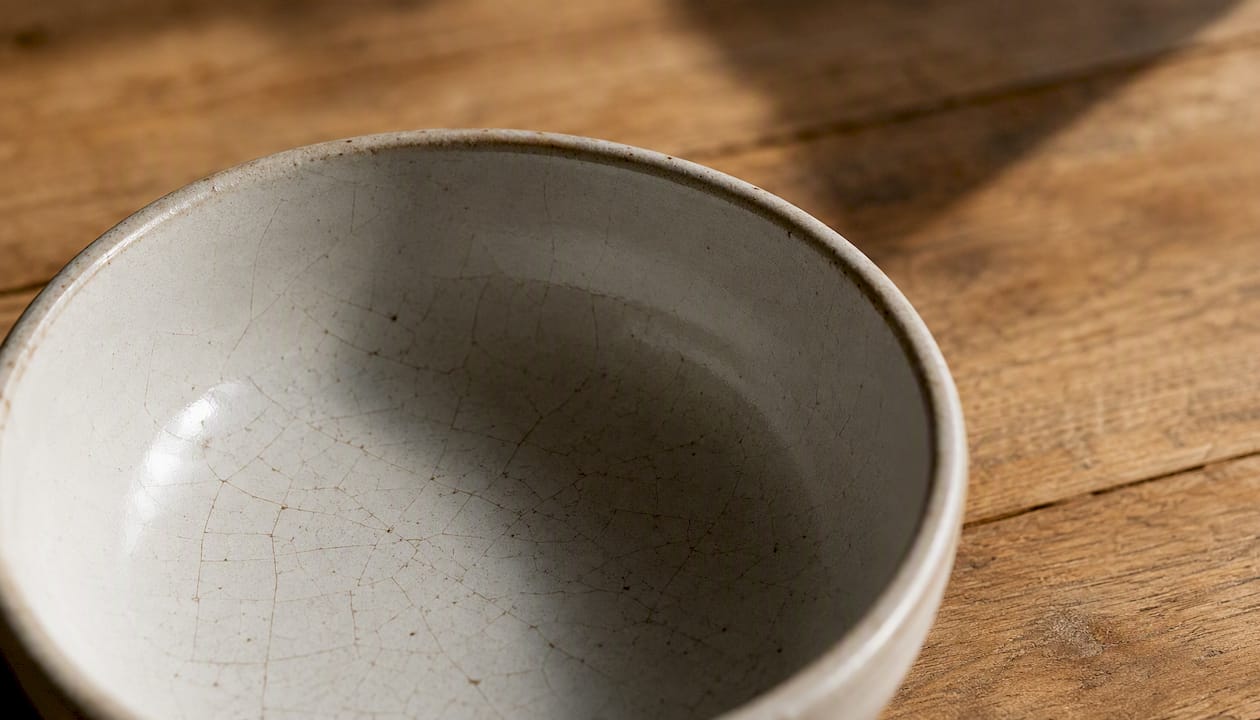
- A chipped glaze exposes the porous clay body underneath, and that porous surface can harbor denser bacterial colonies than stainless steel under similar use.
- Some pet-market ceramic lacks the safety testing that human tableware goes through, so lead or cadmium in the glaze is a real possibility with unverified products.
The fix here isn’t complicated. Confirm the glaze is explicitly labeled lead-free and cadmium-free before you buy, and check whether the listing references FDA food-contact standards or California Proposition 65 compliance. Reputable sellers of lead-free ceramic cat bowls will state this plainly rather than leave you guessing.
Pro Tip: Search the product page for the words “lead-free” and “cadmium-free” specifically. If neither phrase appears anywhere, contact the seller directly and ask before you feed your cat from that bowl daily.
What Safety Checks Actually Matter for Cat Bowls?
Two very different failure modes exist here, and they call for two very different checks.
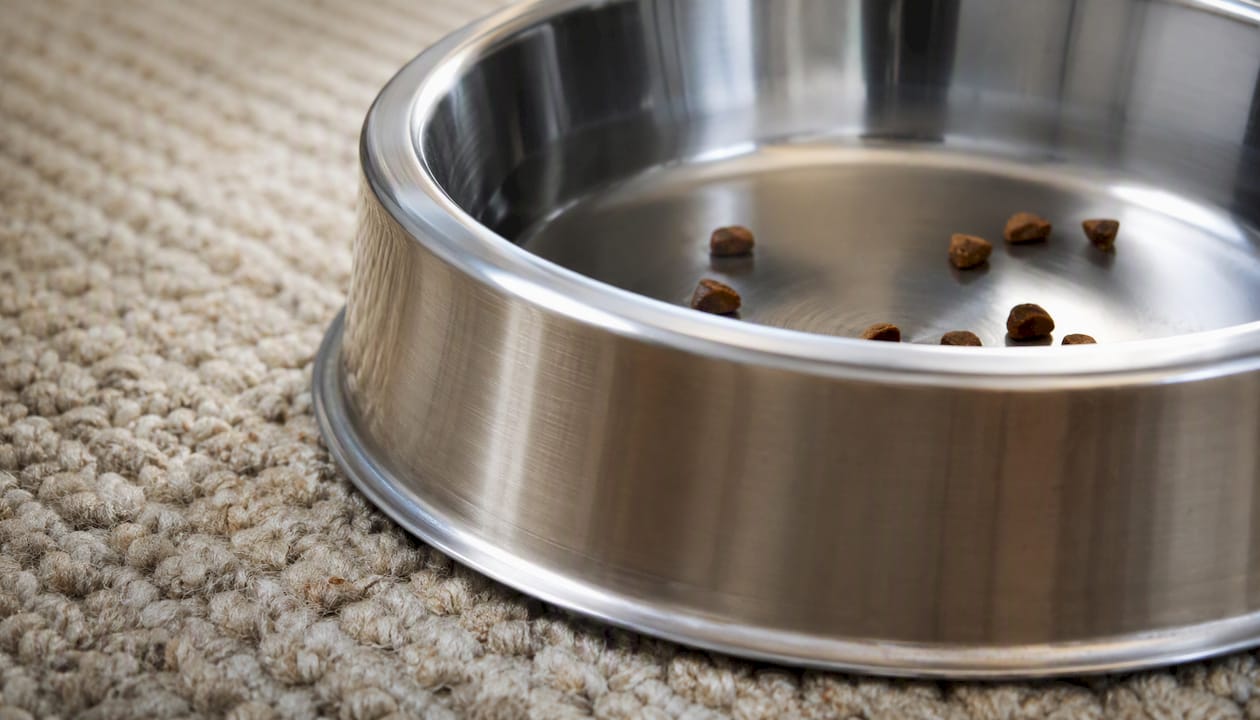
For stainless steel, the grade number is everything. Food-grade stainless labeled 304 or 18/8 contains chromium and nickel ratios that resist corrosion and won’t leach into food or water. Lower grades marketed vaguely as “pet-safe metal” can rust, pit, and eventually harbor the same bacterial buildup you were trying to avoid by choosing metal in the first place.
For ceramic, the glaze is the entire risk profile. Regulatory reference points like FDA food-contact guidance and California’s Prop 65 labeling exist for a reason: unverified glazes have historically contained lead or cadmium that can leach out, particularly once the glaze develops surface cracks from age or dishwasher cycles.
Allergy concerns show up on both sides, just differently. A small number of cats develop what’s commonly called feline acne (chin blackheads and inflammation) from prolonged contact with certain plastics or, less commonly, lower-grade metals. Switching to verified food-grade stainless or a smooth, intact ceramic glaze usually resolves it within a few weeks.
One material deserves a flat no regardless of your cat’s sensitivities: plastic. Plastic is porous by nature and scratches easily, and once scratched, it becomes nearly impossible to fully sanitize at home. If you’re still using a plastic bowl, that’s the first swap to make, regardless of whether you land on stainless or ceramic next.
How Often Should You Clean and Replace Cat Bowls?
Cleaning cadence matters more than most owners assume, and the two materials don’t play by the same rules.
Daily routine (both materials):
- Rinse and wipe after every meal, especially wet food, which spoils fast at room temperature.
- Don’t just rinse with water. Use dish soap or run it through a dishwasher cycle at least once a day if you can.
Weekly deep clean:
- Stainless steel can go through a full high-heat dishwasher cycle or even get a soak in diluted bleach solution for a deeper sanitize.
- Ceramic can usually handle a standard dishwasher cycle, but harsh chemicals and thermal shock degrade glazes over time, so skip bleach soaks and avoid sudden hot-to-cold temperature swings.
This is the real hygiene gap between the two materials. Stainless steel tolerates the aggressive sanitizing methods that actually kill bacteria at the source. Ceramic asks for a gentler routine, which means more of your hygiene work has to happen through frequent hand washing rather than one heavy-duty cycle.
Replace the bowl when you notice:
- Any visible chip or crack in a ceramic glaze, no exceptions.
- Deep scratches in a stainless bowl that catch your fingernail when you run it across the surface.
- A persistent film or discoloration that survives a full wash cycle.
- Any surface where micro-abrasions are visible, since those hairline scratches can harbor bacteria no amount of scrubbing will fully clear.
Pro Tip: Run your finger across the inside of the bowl once a week. If you feel any roughness that wasn’t there when you bought it, that’s a micro-crack forming, and it’s time to replace the bowl rather than wait for a visible chip.
How Bowl Shape and Height Affect Your Cat’s Comfort
Whisker fatigue is real, and it explains a surprising number of cats who paw food out of a bowl instead of eating from it directly. Cat whiskers are packed with nerve endings, and a deep, narrow bowl forces those whiskers to press against the sides with every bite. Wide, shallow bowls solve this by giving whiskers room to breathe.
Where shape and height matter most:
- Dry food does best in a wide, shallow dish, ceramic or stainless, since your cat needs to reach the bottom without whisker contact.
- Wet food benefits from a slightly deeper but still wide bowl to keep the food from sliding around.
- Water bowls should be wide and stable, and many cats drink more when the bowl sits away from the food dish entirely.
- Raised or elevated bowls help older cats with arthritis by reducing the neck strain of bending down to a floor-level dish. If you’re weighing options, our guide to elevated cat bowls covers the height ranges that tend to help most.
Thin stainless bowls come with two comfort quirks worth knowing about. Some cats get spooked by their own reflection in a highly polished surface, mistaking it for another cat encroaching on their food. Others dislike the faint clinking noise a lightweight metal bowl makes against tile or a feeding stand. Neither is a hygiene issue, but both can make a cat reluctant to eat.
Weight cuts the other way. A heavy ceramic bowl won’t slide across the floor when your cat digs in eagerly, while a light stainless bowl might need a rubberized base or a weighted feeder stand to stay put during an enthusiastic dinner.
How Do You Choose Between Ceramic and Stainless for Your Cat?
Work through this checklist in order, and you’ll land on the right material for your specific household faster than you’d expect.
- Ask how many cats you’re feeding. Multi-cat homes generate more mess and cross-contamination risk, which tips the scale toward stainless steel’s easier sanitizing.
- Check for chin acne or skin sensitivity. If your cat already shows signs of irritation, switch to verified food-grade stainless or a smooth, intact lead-free ceramic glaze and monitor for improvement over two to three weeks.
- Watch how your cat treats the bowl. A cat who bats, flips, or drags bowls across the floor is often better matched with heavier ceramic, assuming the glaze is verified safe.
- Weigh your own cleaning habits honestly. If you know you won’t hand wash daily, stainless steel’s dishwasher tolerance does more of the hygiene work for you.
- Factor in your cat’s age. Senior cats with arthritis often do better with an elevated stand, and either material works there as long as the base is stable.
- Decide how much design matters to you. If your kitchen aesthetic matters, ceramic gives you far more room to match your home, provided the glaze checks out.
A few scenarios play out often enough to call out directly:
- Multi-cat household: Stainless steel, largely for the sanitizing advantage when you’re washing several bowls a day.
- Cat with chin acne: Verified food-grade stainless first; if the cat still reacts, try a smooth lead-free ceramic bowl as an alternative rather than assuming it’s the material and not the residue.
- Senior cat with arthritis: Either material works, but prioritize an elevated stand over the bowl material itself.
Ceramic remains an acceptable, even preferable, choice any time whisker comfort or bowl-tipping is the bigger problem in your house. Stainless steel is the stronger default any time hygiene, multiple cats, or skin sensitivity is the deciding factor.
What Do Veterinarians and Researchers Say About Bowl Materials?
The guidance across veterinary and pet-care sources is fairly consistent, and it’s worth knowing where it comes from.
- Veterinary sources point to stainless steel’s non-porous structure as the reason it resists bacterial biofilm better than glazed or porous alternatives.
- Peer-reviewed research on bacterial colonization supports the idea that ceramic can develop denser biofilm than stainless steel under comparable conditions, which is exactly why inspection matters more with ceramic.
- Pet-industry safety coverage stresses that ceramic glazes need explicit verification for lead-free and cadmium-free status, since pet-market ceramics don’t always carry the same certification as tableware made for humans.
- General consumer safety reporting backs the case against plastic bowls entirely, citing porosity and scratch risk as the core problem.
- Broader pet-care guidance from The Spruce Pets lands on the same two-material recommendation: stainless steel or lead-free ceramic, with plastic off the table.
One thing worth keeping in mind: a manufacturer claiming “food-safe” or “non-toxic” on a product page isn’t the same as third-party lab verification. Treat vague marketing language with a healthy dose of skepticism, and look instead for a specific grade number on stainless or an explicit lead-free and cadmium-free claim on ceramic. Specificity is the tell that a seller actually knows what’s in their product.
Our Take on Choosing the Right Bowl Material
We default to food-grade stainless steel for daily feeding stations, and we don’t think that’s a controversial position. It’s the material that asks the least of you day to day and forgives the most when your cleaning routine slips for a week. But we don’t treat ceramic as a compromise choice either. A well-verified, lead-free ceramic bowl with a wide shallow shape solves a real problem, whisker fatigue, that stainless often doesn’t address as well.
When we bring feeding-related pieces into The Meow Picks, we look at the same two things this article walks through: what the material is actually made of, and whether the seller states that plainly instead of hiding behind vague marketing language. A bowl that won’t tell you its stainless grade or confirm a lead-free glaze doesn’t earn a spot in our assortment, no matter how good it looks in photos.
Find Bowls and Feeding Stations Built Around These Safety Checks
Once you know what to look for, shopping gets a lot easier. The Meow Picks curates feeding pieces from independent makers who state their materials plainly, so you’re not stuck guessing whether a listing’s “food-safe” claim actually means anything.
Our ceramic cat bowl options are chosen with the lead-free labeling standard this article covers, and pieces like the Vuku ceramic bowl pair that safety standard with a wider shape designed to ease whisker contact. If you’d rather go with metal, our Desco steel feeder sets food-grade stainless bowls into a stand that also helps with posture during meals. And if you’re setting up a full feeding corner, browsing a designer cat house or cat tower nearby gives your cat a stable, cozy home base close to where they eat.
Before you check out on anything, double check the product page for explicit food-grade or lead-free markings, the same checklist this whole article has been building toward. If a listing is vague, ask before you buy.
Sources
- Food and water bowls for companion pets, Hemopet
- Pet food bowl safety, Today’s Veterinary Business
- PMC article on bacterial colonization and cleaning, PMC
- Your pet’s food bowl could be putting their health at risk, Newsweek
- Food and water bowls, The Spruce Pets
Always check a product’s own listing for explicit food-grade or lead-free language before you buy. Manufacturer claims vary, and specific labeling is the clearest signal you have as a shopper.
FAQ
Is stainless steel or ceramic better for cats to drink from?
Stainless steel is generally better for water bowls because its non-porous surface resists the biofilm that builds up in standing water, and it tolerates daily sanitizing far better than ceramic.
What is the healthiest material for a cat bowl overall?
Food-grade stainless steel labeled 304 or 18/8 is widely considered the healthiest option, with verified lead-free, cadmium-free ceramic as a solid second choice.
What is the healthiest type of water bowl for cats?
A wide, shallow stainless steel bowl is the healthiest option for water since it resists bacterial buildup and won’t cause the whisker fatigue that discourages some cats from drinking enough.
Do cats actually prefer ceramic or stainless steel bowls?
Preference varies by cat. Many cats prefer wide ceramic bowls because they reduce whisker contact, while others are indifferent to material and more sensitive to bowl shape and stability.
How do I know if a ceramic cat bowl is safe?
Check the product listing for explicit lead-free and cadmium-free labeling, and favor sellers who reference FDA food-contact standards or California Prop 65 compliance documentation.