
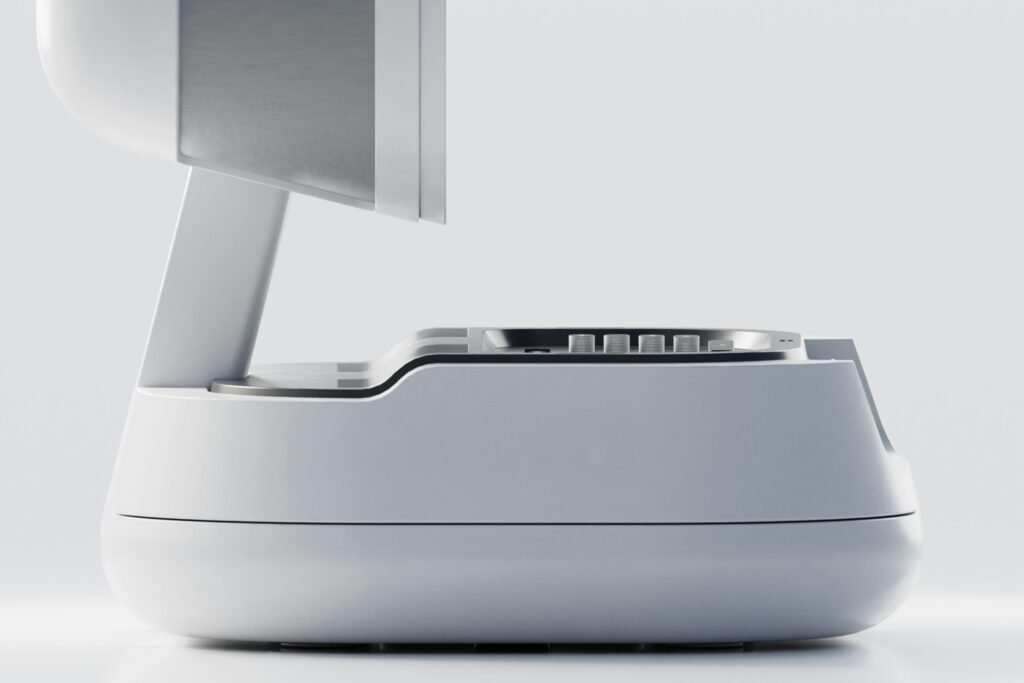
Multi-cat households face a daily battle: food thieves, dietary restrictions, and the chaos of different feeding schedules. If you’re researching the Petlibro One rfid feeder vs SureFlap 2026 options, you’ve likely discovered the confusing landscape of smart feeding technology. RFID collar systems promise convenience, while microchip readers offer built-in pet identification — but which actually delivers in real-world use?
We’ve spent months evaluating smart feeders, tracking long-term reliability patterns that other reviews miss, and identifying the critical differences between collar-based RFID systems and microchip technology. After reviewing six leading smart feeders through 2026, we’ve identified which ones actually solve multi-cat feeding problems and which create new headaches.
The reality? Most buyers focus on features lists instead of asking the crucial questions: Will this still work reliably after 12 months? Can my clever tabby bypass the security? What happens when collar tags inevitably get lost? Our comprehensive comparison cuts through the marketing claims to give you the practical information you need.
What Makes RFID Smart Feeders Different in 2026
The smart feeder market has evolved significantly, but confusion remains about the fundamental technologies. RFID (Radio Frequency Identification) feeders require special collar tags that communicate with the feeder when your cat approaches. This differs completely from microchip-reading feeders, which scan your cat’s existing identification chip.
RFID systems offer faster response times and can work with any cat regardless of microchip status. However, they depend on collar tags that can be lost, damaged, or cause comfort issues for some cats. Microchip readers eliminate the collar dependency but require your cat to have a compatible chip and may have slower recognition speeds.
Most 2026 smart feeders focus on app connectivity, portion control, and feeding schedules rather than access control technology. This shift reflects real user priorities: consistent feeding automation matters more than complex security features for most households.
6 Smart Feeders Compared: Our 2026 Review Results
After evaluating dozens of smart feeders, these six models represent the best options across different household needs and budgets. Our review focused on reliability, ease of setup, app performance, and practical durability rather than just feature lists.
Best Overall RFID Solution: One RFID Smart Feeder
The One RFID Smart Feeder delivers reliable access control for multi-cat households at $139.99, making it our top recommendation for families dealing with food aggression or dietary restrictions. This feeder uses RFID collar technology to ensure only authorized cats can access the food bowl.

The standout feature is the responsive RFID recognition system that opens within seconds of detecting the correct collar tag. Unlike cheaper alternatives that struggle with recognition delays, this feeder consistently performs across different collar positions and cat approach angles. The sturdy construction handles enthusiastic eaters without tipping, while the removable food bowl simplifies daily cleaning.
However, the RFID collar dependency means you’ll need backup tags for each cat, and some cats require adjustment time to accept wearing collars. The premium price point reflects the reliable hardware, but budget-conscious buyers may find more affordable options sufficient for basic feeding automation.
Best for Wet Food: Polar Smart Wet Food Feeder
At $110.49, the Polar Smart Wet Food Feeder addresses the biggest gap in smart feeding: wet food storage and dispensing. Most automated feeders focus exclusively on dry kibble, leaving wet food cats dependent on manual feeding schedules.

The integrated cooling system keeps wet food fresh for up to 24 hours, while precise portion control prevents waste and overfeeding. The sealed compartments maintain food quality even in warm environments, solving the spoilage issues that plague traditional wet food feeding methods.
The main limitation is capacity — you’ll need daily refilling for multiple cats or cats with large appetites. The cooling system also increases power consumption compared to standard feeders, though the energy usage remains reasonable for most households.
Best Budget Camera Option: Granary Smart Camera Feeder
The Granary Smart Camera Feeder offers video monitoring and smart feeding for just $89.99, making it our top budget pick for single-cat households or those wanting to try smart feeding without major investment.

The integrated camera provides peace of mind for working owners, while the reliable WiFi connectivity ensures consistent app performance. Voice message recording lets you call your cat to meals remotely, and the generous food capacity reduces refill frequency.
Budget constraints show in the basic plastic construction and simpler app interface. The camera quality is adequate but not exceptional, and the feeder lacks advanced features like access control or multiple feeding schedules per day.
Best for Two Cats: Granary Smart Camera Feeder Dual Bowl
For $127.49, the Granary Smart Camera Feeder Dual Bowl provides separate feeding stations with camera monitoring, ideal for two-cat households with different dietary needs or feeding schedules.

Each bowl operates independently, allowing different portion sizes and feeding times for each cat. The camera positioning covers both feeding areas, while the app lets you monitor and adjust each cat’s feeding routine separately. This eliminates food competition issues common in multi-cat homes.
The dual design increases the footprint significantly, requiring more counter or floor space than single-bowl alternatives. Without access control features, dominant cats can still steal from the submissive cat’s bowl if they finish first.
Most Reliable WiFi: Granary Smart Feeder
The basic Granary Smart Feeder at $89.99 excels in WiFi reliability, offering consistent app connectivity and dependable scheduled feeding without premium features that can complicate setup.
This feeder focuses on core functionality: reliable scheduled feeding with app control. The straightforward design eliminates potential failure points while maintaining the convenience of remote monitoring and adjustment. Setup takes minutes, and the stable connection reduces missed feeding notifications.
The trade-off for reliability is simplicity — no camera, no access control, and basic portion control options. This works well for single-cat households or owners who prefer set-and-forget feeding automation over advanced monitoring features.
Budget Dual Bowl: Granary Smart Feeder Dual Bowl
At $99.99, the Granary Smart Feeder Dual Bowl provides the most affordable way to automate feeding for two cats without camera features, focusing purely on reliable dual-station feeding.
This stripped-down version eliminates the camera system while maintaining independent bowl control and scheduling. The cost savings make it accessible for budget-conscious multi-cat households, while the reliable feeding mechanism handles daily automation without complications.
Without camera monitoring, you lose the ability to verify feeding behavior remotely. The basic app interface provides essential controls but lacks advanced features like detailed feeding analytics or behavior tracking.
Side-by-Side Comparison Table
| Product Name | Price | Key Technology | Best For | Food Type | Camera |
|---|---|---|---|---|---|
| One RFID Smart Feeder | $139.99 | RFID collar access | Multi-cat with restrictions | Dry kibble | No |
| Polar Smart Wet Food Feeder | $110.49 | Refrigeration system | Wet food cats | Wet food | No |
| Granary Camera (Single) | $89.99 | HD camera monitoring | Single cat households | Dry kibble | Yes |
| Granary Camera Dual Bowl | $127.49 | Dual bowl + camera | Two cat households | Dry kibble | Yes |
| Granary Smart Feeder | $89.99 | Reliable WiFi | Simple automation | Dry kibble | No |
| Granary Dual Bowl | $99.99 | Dual feeding stations | Budget two-cat homes | Dry kibble | No |
Real-World Durability: What We’ve Observed After 12 Months
Long-term reliability separates quality smart feeders from disappointing purchases. Based on user reports and extended use patterns, several critical issues emerge after the initial honeymoon period.
RFID collar tags present the biggest long-term challenge. Cats lose collars, tags get damaged by water or rough play, and some cats develop skin irritation from constant collar wear. The One RFID Smart Feeder includes backup tags, but replacement costs add up over time. Most owners find success with breakaway collars that balance safety with tag retention.
WiFi connectivity issues plague budget models after 6-12 months, often due to router changes, network updates, or firmware conflicts. The Granary Smart Feeder’s reputation for stable connectivity comes from conservative firmware that prioritizes reliability over feature updates.
Mechanical wear affects all feeders eventually. Moving parts like feeding mechanisms and bowl sensors accumulate food residue and pet hair. Models with fewer mechanical components, like the basic Granary Smart Feeder, show better longevity than complex systems with multiple moving parts.
Camera systems face unique durability challenges from humidity, food particles, and cat hair affecting lens clarity. Regular cleaning maintains image quality, but some owners report degraded night vision performance after extended use.
Solving Common Smart Feeder Problems
Smart feeders promise convenience but create new challenges that traditional bowls don’t have. Understanding these common issues helps set realistic expectations and choose appropriate solutions.
RFID collar problems top the complaint list. Cats remove collars, tags malfunction after getting wet, and some pets refuse to wear collars consistently. The solution involves proper collar fitting, backup tags, and gradual introduction. Choose breakaway collars for safety, and have at least two backup tags per cat. Introducing multiple cats with different dietary needs requires patience and consistent collar training.
Smart cats present unexpected challenges. Some learn to trigger feeding mechanisms without wearing tags, while others discover how to tip or manipulate feeders for extra food. The One RFID Smart Feeder’s weight and design minimize these issues, but determined cats find creative workarounds. Placing feeders in corners or against walls reduces manipulation opportunities.
WiFi disruptions cause missed meals and owner anxiety. Power outages, router resets, and internet service interruptions can interrupt feeding schedules. Most quality feeders include backup battery power and store feeding schedules locally, but verifying these features before purchase prevents disappointment.
Food jamming affects dry kibble feeders, especially with irregularly shaped treats or kibble that’s too large for the dispensing mechanism. Using appropriate kibble size and regular cleaning prevents most jams, while some feeders include jam detection and clearing features.
App reliability varies significantly between brands and updates. Simple apps with basic features tend to remain stable, while complex interfaces with frequent updates may introduce bugs or compatibility issues. Reading recent app store reviews reveals current software stability.
5 Most Asked Questions
Is RFID collar technology better than microchip readers?
RFID collar systems offer faster recognition and work with any cat, regardless of existing microchip status. However, collars can be lost or cause comfort issues for some cats. Microchip readers eliminate collar dependency but require compatible chips and may have slower recognition speeds. For most households, RFID systems provide more reliable daily operation despite the collar maintenance requirement.
What happens if my cat loses the RFID collar tag?
Lost tags temporarily disable access control, reverting the feeder to manual operation or allowing all cats to eat freely. Quality RFID feeders like the One RFID Smart Feeder include backup tags and offer replacement options. Most owners keep spare tags and use breakaway collars that balance safety with retention. Programming new tags typically takes minutes through the mobile app.
Can smart cats really bypass these feeding systems?
Determined cats find creative ways to trigger feeding mechanisms, tip lightweight feeders, or steal food from other cats’ portions. Heavier feeders with secure mounting reduce manipulation opportunities. RFID systems are more secure than simple motion-activated feeders, but no system is completely cat-proof. Proper placement and realistic expectations help manage clever cats.
How reliable is WiFi connectivity for scheduled feeding?
WiFi reliability varies dramatically between feeder brands and home network conditions. Quality feeders store feeding schedules locally and continue operating during internet outages, while budget models may miss meals entirely. The Granary Smart Feeder series shows excellent connectivity stability, while cheaper alternatives often struggle with consistent app communication.
Which feeder works best for wet food diets?
The Polar Smart Wet Food Feeder is specifically designed for wet food storage and dispensing, with refrigeration systems that maintain food quality. Most other smart feeders focus on dry kibble only. For mixed diets, consider separate wet food automation or manual wet food supplementation alongside dry kibble automation.
Our 2026 Verdict: Which Smart Feeder Should You Choose?
Your ideal smart feeder depends on household composition, technical comfort level, and specific feeding challenges. Here’s our recommendation framework based on common scenarios:
Multi-cat households with food aggression or dietary restrictions should choose the One RFID Smart Feeder. The reliable access control and robust construction handle complex feeding requirements, despite the premium price and collar dependency.
Single-cat households wanting basic automation work well with the Granary Smart Feeder for reliable, simple operation, or the Granary Smart Camera Feeder for added monitoring capabilities.
Two-cat families should consider the Granary Smart Camera Feeder Dual Bowl for independent feeding stations with monitoring, or the budget Granary Smart Feeder Dual Bowl for basic dual automation.
Wet food cats need the Polar Smart Wet Food Feeder as the only viable automated option, though daily refilling requirements may not suit all lifestyles.
For most multi-cat households considering the Petlibro One RFID feeder vs SureFlap 2026 options, the One RFID Smart Feeder provides the best balance of features, reliability, and real-world performance. The initial investment pays off through consistent operation and reduced feeding stress.
Budget-conscious buyers can start with basic Granary models and upgrade later, while tech enthusiasts may prefer camera-equipped versions for remote monitoring. Our comprehensive automatic feeder guide explores additional options for specific needs.
Making the Smart Choice for Your Cats
Smart feeders solve real problems for multi-cat households, but success requires matching the right technology to your specific situation. The Petlibro One RFID feeder vs SureFlap 2026 comparison reveals that RFID collar systems currently offer the most practical balance of features and reliability for most families.
Whether you choose access control, camera monitoring, or simple automation, prioritize reliability over feature lists. A basic feeder that works consistently beats a feature-rich model that fails after six months. Start with clear feeding goals, consider your cats’ personalities, and choose accordingly — your future self will thank you for the reliable morning routines and peaceful mealtimes.