You’ve heard tofu cat litter is the eco-friendly solution your household needs, but at $45+ for Pidan’s premium option, you’re wondering if it’s worth the investment—or if there are better alternatives. The truth is, most reviews don’t warn you about the hidden costs and compatibility issues that come with making the switch from traditional clay litter.
Beyond the sticker shock, Pidan Tofu cat litter vs alternatives 2026 brings unique challenges: pellet sizes that don’t work with self-cleaning boxes, strong artificial scents that sensitive cats reject, and bag sizes that barely last a week in multi-cat homes. We’ve compared Pidan’s flagship tofu litter against practical alternatives to help you make an informed decision.
The plant-based litter market has exploded, but not all natural options deliver the same performance. Some clump poorly, others track everywhere, and many cost significantly more per usage than their marketing suggests. Here’s what you need to know before investing in any tofu-based or alternative natural litter system.
Why Tofu Cat Litter Has Gained Popularity (But Comes with Trade-offs)
Tofu cat litter appeals to eco-conscious cat owners because it’s biodegradable, typically dust-free, and often flushable in small quantities. Made from processed soybean pulp, it clumps naturally without the silica dust concerns of traditional clay litter. Many brands also market their tofu litters as having superior odor control and being gentler on sensitive paw pads.
However, the reality includes several trade-offs that manufacturers don’t emphasize. Tofu litters often cost 2-3 times more per pound than quality clay alternatives. The pellet texture can be off-putting to cats transitioning from clay, leading to litter box avoidance issues. Additionally, the natural materials can harbor bacteria more readily than clay if not changed frequently enough.
The biggest hidden challenge is compatibility. Many tofu litters have pellet sizes that jam automatic litter boxes or fall through the grates of certain litter box designs. This compatibility issue has caught many cat owners off-guard after expensive purchases.
Pidan Tofu Cat Litter: The Premium Option
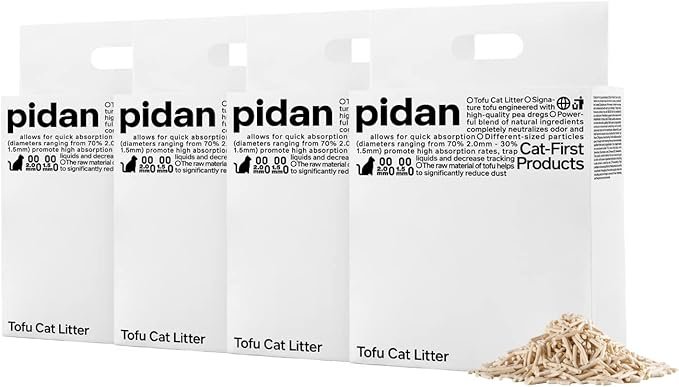
At $50.29, Pidan positions itself as the premium choice in the tofu litter category. This pricing puts it significantly above most alternatives, but Pidan’s reputation in the cat product space suggests there may be quality differences that justify the cost.
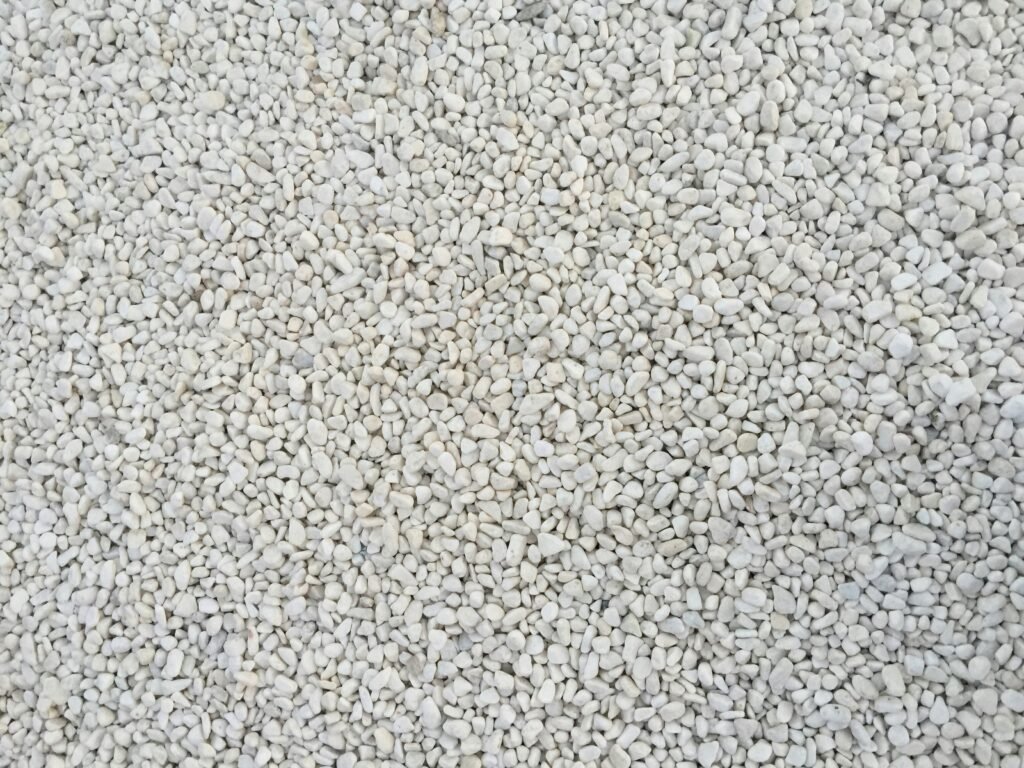
Cornstarch litter typically forms firmer clumps than tofu options, making scooping easier and potentially reducing waste. The texture is often more similar to traditional clay litter, which can ease the transition for cats resistant to tofu pellet texture. This makes it a valuable alternative for households where cats have rejected tofu options.
The mid-range pricing offers a compromise between budget constraints and natural litter benefits. While not as eco-focused as recycled coffee ground options, cornstarch litter provides reliable performance at a more accessible price point than premium tofu brands.
Essential Accessories for Any Natural Litter
Switching to natural litters often requires upgrading your litter management tools. Traditional scoops and mats designed for clay litter may not perform optimally with tofu or cornstarch alternatives.
Cat Litter Scoop Set
A quality scoop set becomes essential when working with natural litters that have different clumping characteristics than clay. The $24.99 Cat Litter Scoop Set provides multiple scoop sizes to handle different natural litter types effectively.
Natural litters often require different scooping techniques than clay. Tofu clumps may be softer and need gentler handling, while cornstarch clumps might be firmer but differently shaped. Having multiple scoop sizes ensures you can adapt to your chosen litter’s specific characteristics.
Cat Litter Mat
Natural litters can track differently than clay, making a quality mat crucial for maintaining clean floors. The $21.99 Cat Litter Mat helps contain tracking regardless of which natural litter option you choose.
Tofu and cornstarch litters often have different tracking patterns than clay. Some track less due to larger pellet sizes, while others may stick to paws differently. A quality mat system adapts to these variations and makes cleanup easier regardless of your litter choice.
Head-to-Head Comparison: Pidan Tofu Cat Litter vs Alternatives 2026
| Product Name | Price | Material Type | Key Features | Best For | Pros/Cons Summary |
|---|---|---|---|---|---|
| Pidan Tofu Cat Litter | $50.29 | Pure Tofu | Premium quality, low dust, excellent clumping | Single-cat premium households | ✓ Brand reliability ✗ High cost |
| Tofu with Blood Test Particles | $50.99 | Tofu + Health Monitor | Health monitoring, budget-friendly, tofu base | Health-conscious budget buyers | ✓ Health features ✓ Value ✗ Limited availability |
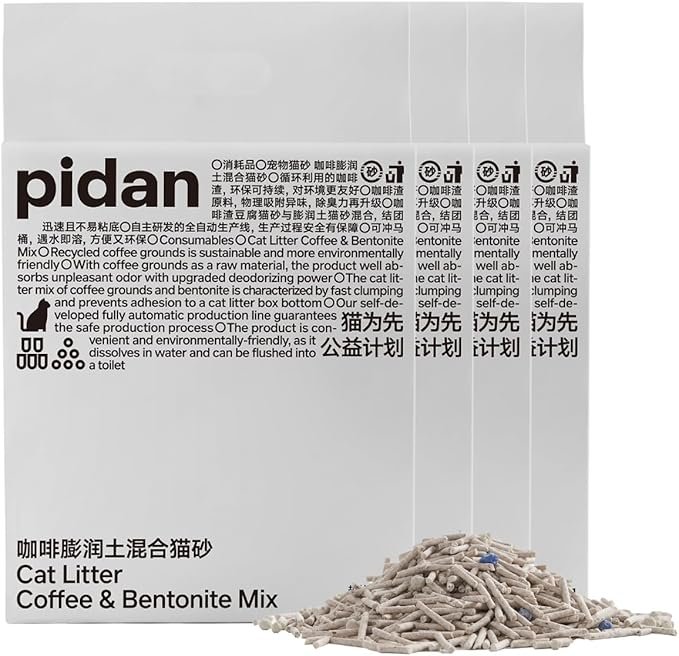
| Coffee Grounds Tofu Litter | $50.99 | Tofu + Coffee | Enhanced odor control, eco-friendly, recycled materials | Maximum sustainability focus | ✓ Eco innovation ✓ Odor control ✗ Coffee scent sensitivity |
| Premium Cornstarch Litter | $17.99 | Cornstarch | Natural clumping, clay-like texture, mid-range price | Clay litter transition households | ✓ Familiar texture ✓ Good clumping ✗ Less eco-focused |
The Hidden Costs Nobody Talks About
The real cost comparison between Pidan and alternatives extends beyond the sticker price. Premium tofu litters often come in smaller quantities, meaning more frequent purchases and higher per-usage costs. A $45 bag that lasts three weeks costs more per day than a $16 alternative that lasts two weeks.
Multi-cat households face the biggest sticker shock. Where one bag of premium litter might last a month for a single cat, the same household with three cats could go through it in a week. This makes budget alternatives significantly more practical for larger cat families, even if the per-pound cost seems comparable.
Compatibility issues with automatic litter boxes can force expensive equipment upgrades that double the true cost of switching to natural litters.
Automatic litter box compatibility represents another hidden cost. Many cat owners discover their automatic litter system doesn’t work properly with their chosen natural litter, requiring either expensive equipment upgrades or abandoning the automation entirely. This compatibility issue affects both premium and budget natural litters.
Scent sensitivity adds another layer of hidden costs. Cats that reject strongly scented natural litters may require multiple product trials, leading to waste and additional expenses. Some premium litters use artificial fragrances that sensitive cats find more objectionable than the natural odors they’re designed to mask.
Which Option Should You Choose?
Your ideal choice depends on your household’s specific priorities and constraints. Here are our recommendations based on different situations:
Premium households with single cats: Pidan Tofu Cat Litter justifies its cost through consistency and brand reliability. If budget isn’t a primary concern and you value predictable performance, the premium option delivers peace of mind.
Budget-conscious with health monitoring needs: Tofu Cat Litter with Occult Blood Test Particles provides exceptional value by combining basic tofu litter benefits with proactive health monitoring. This option offers more practical features per dollar than premium alternatives.
Maximum eco-focus households: Tofu Cat Litter with Recycled Coffee Grounds addresses multiple environmental concerns while providing good performance at budget pricing. The recycled coffee grounds add both sustainability and functionality.
Clay litter transition situations: Premium Cornstarch Cat Litter offers the most familiar texture for cats resistant to tofu pellets. The mid-range pricing makes trial periods more affordable while still providing natural litter benefits.
Multi-cat homes: Budget alternatives become essential due to usage volume. The Tofu Cat Litter with Occult Blood Test Particles offers the best combination of features and value for households managing multiple cats’ litter needs.
Frequently Asked Questions
Is Pidan tofu cat litter worth the high price compared to alternatives?
Pidan’s premium pricing is justified primarily by brand reliability and consistent quality control rather than unique features. For single-cat households where predictable performance outweighs cost concerns, it can be worth the investment. However, multi-cat homes and budget-conscious buyers often find better value in alternatives that offer similar basic performance at significantly lower costs.
Do tofu litters work in automatic litter boxes like Litter Robot?
Compatibility varies significantly by pellet size and automatic system design. Many tofu litters have pellets that either jam mechanisms or fall through grates designed for clay litter. Before switching to any natural litter, check your automatic box manufacturer’s compatibility guidelines to avoid expensive surprises.
How long does a bag of tofu cat litter last for multiple cats?
Usage rates depend heavily on bag size and cat population. Premium options often come in smaller quantities despite higher prices, making them less economical for multi-cat households. Budget alternatives typically offer better value per usage for homes with multiple cats, even if their per-pound cost appears similar.
Can you really flush tofu cat litter down the toilet safely?
While tofu litter is biodegradable, flushing capabilities depend on your local plumbing and sewage systems. Many municipalities discourage flushing any cat litter due to potential pathogen concerns and pipe blockage risks. Even biodegradable litters can cause plumbing issues in older systems or with large quantities.
Why does my cat reject tofu litter when switching from clay?
Texture differences often cause rejection issues. Tofu pellets feel significantly different under paws compared to clay granules. Gradual transition mixing increasing ratios of tofu with decreasing clay often helps, but some cats never adapt to pellet textures. Cornstarch alternatives may be more acceptable for texture-sensitive cats.
Making the Switch: What to Expect
Transitioning to natural litters requires patience and realistic expectations. Most cats need 1-2 weeks to fully adapt to new textures and scents. Starting with smaller quantities allows you to test compatibility without major waste if your cat rejects the new option.
Consider starting your transition with mid-range options like Premium Cornstarch Cat Litter before investing in premium tofu products. This approach lets you gauge your cat’s acceptance of natural alternatives without the financial risk of expensive premium products.
The Pidan Tofu cat litter vs alternatives 2026 comparison ultimately comes down to balancing your priorities: premium quality and brand reliability versus budget efficiency and innovative features. Each option serves different household needs, and the “best” choice depends on your specific situation rather than universal superiority of any single product.
Don’t forget essential accessories like proper scoops and mats when budgeting for your natural litter transition. These tools often make the difference between successful adoption and frustrating cleanup challenges that lead to abandoning natural options entirely.